Follow Me On Social Media!

Ciabatta Bread: The Best Rustic Loaf You’ll Ever Bake

Introduction to Ciabatta Bread
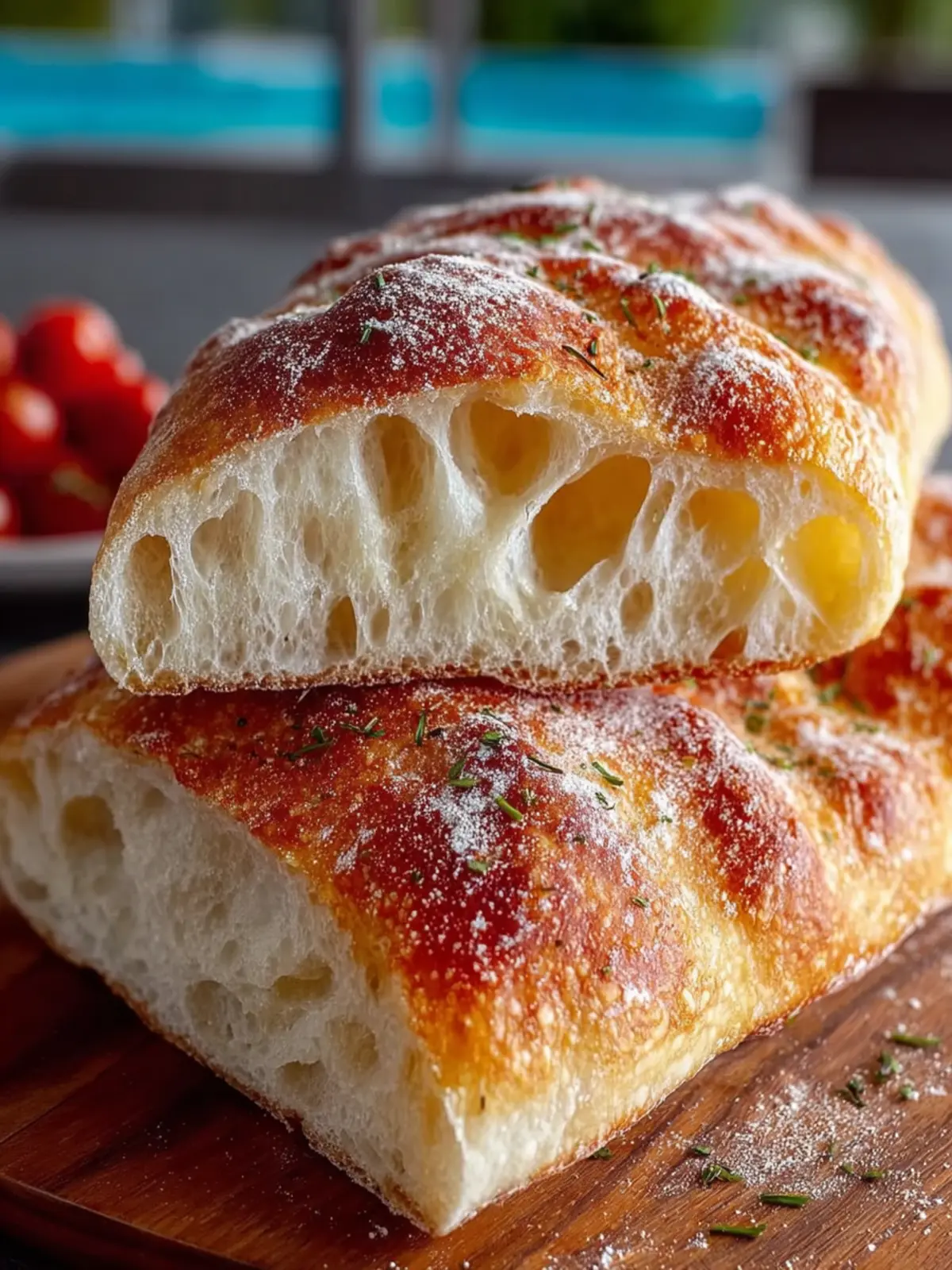
There’s something enchanting about ciabatta bread that captures the hearts of bread lovers everywhere. Imagine a loaf with a crusty, golden exterior that gives way to a soft and airy crumb—perfect for sandwiches or simply enjoying with a drizzle of olive oil. The journey of making ciabatta is not just about baking; it’s about creating a piece of culinary art that transforms simple ingredients into something extraordinary.
Originally hailing from Italy, ciabatta bread has gained worldwide popularity, and for good reason. Its rustic appearance and delightful texture evoke a sense of tradition and authenticity that resonates with many. The unique handling of the dough—infused with plenty of water—results in that signature open crumb structure, providing the loaf with its airy bite. This bread is celebrated not just for its look but for its versatility too; whether you’re pairing it with cheese, making a hearty sandwich, or enjoying it dipped in balsamic vinegar, ciabatta never fails to impress.
What makes ciabatta bread so special?
The magic of ciabatta bread lies in a few key components:
- Hydration: The high water content in the dough promotes an incredibly open crumb, giving ciabatta its characteristic lightness.
- Fermentation: A long fermentation period enhances the flavor and texture. This slow development makes every bite richer and more satisfying.
- Crust: The crispy, crunchy crust is integral to the ciabatta experience. It provides a delightful contrast to the soft inside, making every slice a joy to eat.
When you choose to embark on the journey of making ciabatta bread, you’re not only treating yourself to a delicious homemade loaf but also connecting with a baking tradition that honors simplicity and excellence. It’s more than just ingredients; it’s a celebration of flavor, culture, and the satisfaction of skilled hands at work. So gather your ingredients and get ready to discover the artistry involved in baking your own ciabatta!
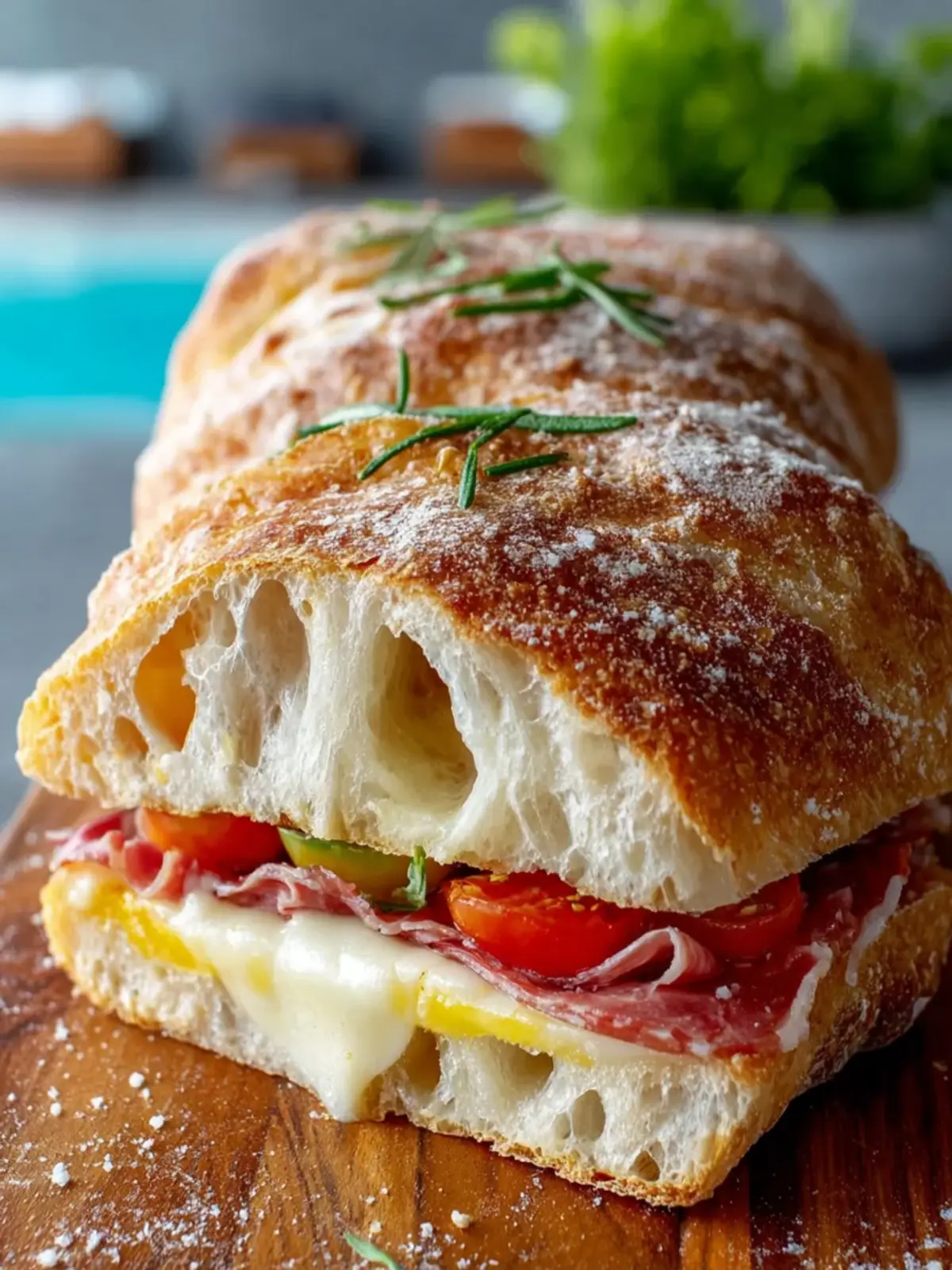
Key Ingredients for Ciabatta Bread
Creating ciabatta bread is like crafting a culinary masterpiece, and each ingredient plays a crucial role in its delightful texture and flavor. Let’s delve into what you need for this Italian favorite.
-
Flour: The backbone of any bread, I recommend using high-protein, bread flour for ciabatta. It provides the essential gluten structure that gives the bread its unique airy profile. If you’re aiming for a crustier loaf, consider incorporating a bit of semolina flour for added texture.
-
Water: Hydration is key in this recipe, and plenty of it is needed. Warm water helps activate the yeast, but the real trick is ensuring your dough is moist. A higher hydration dough leads to the signature open crumb that ciabatta is loved for.
-
Salt: This simple ingredient enhances flavors and reinforces gluten structure. Use sea salt for its subtle nuances; it really makes a difference in the final taste of your bread.
-
Yeast: Whether you choose active dry or instant yeast, ensure it’s fresh. The yeast is what gives life to your ciabatta, allowing it to rise beautifully.
Understanding the role of these ingredients elevates your ciabatta bread baking experience, turning a simple recipe into a flavorful journey. Happy baking!
Why You’ll Love This Ciabatta Bread Recipe
Crafting ciabatta bread at home is not just about baking; it’s about transforming your kitchen into a cozy Italian bakery filled with the irresistible aroma of freshly baked bread. Imagine the thrill of pulling warm, crusty loaves from the oven, their golden-brown crust giving way to a soft, airy interior—perfect for your next meal or just a delightful snack.
What truly sets this recipe apart is its simplicity combined with the extraordinary results. With just a handful of ingredients and a little patience, you’ll create a bread that will impress even the most discerning foodies. The long fermentation process develops complex flavors and a unique texture that’s hard to achieve in store-bought varieties.
Plus, there’s something satisfying about working with your hands, feeling the dough transform as you knead and shape it. Whether you enjoy making sandwiches, dipping it in olive oil, or savoring it with a hearty soup, this ciabatta bread can elevate any meal.
So, gather your ingredients, unleash your inner baker, and enjoy the warmth and satisfaction of homemade bread made from scratch. Trust us, once you try it, you’ll be hooked on the magic of ciabatta.
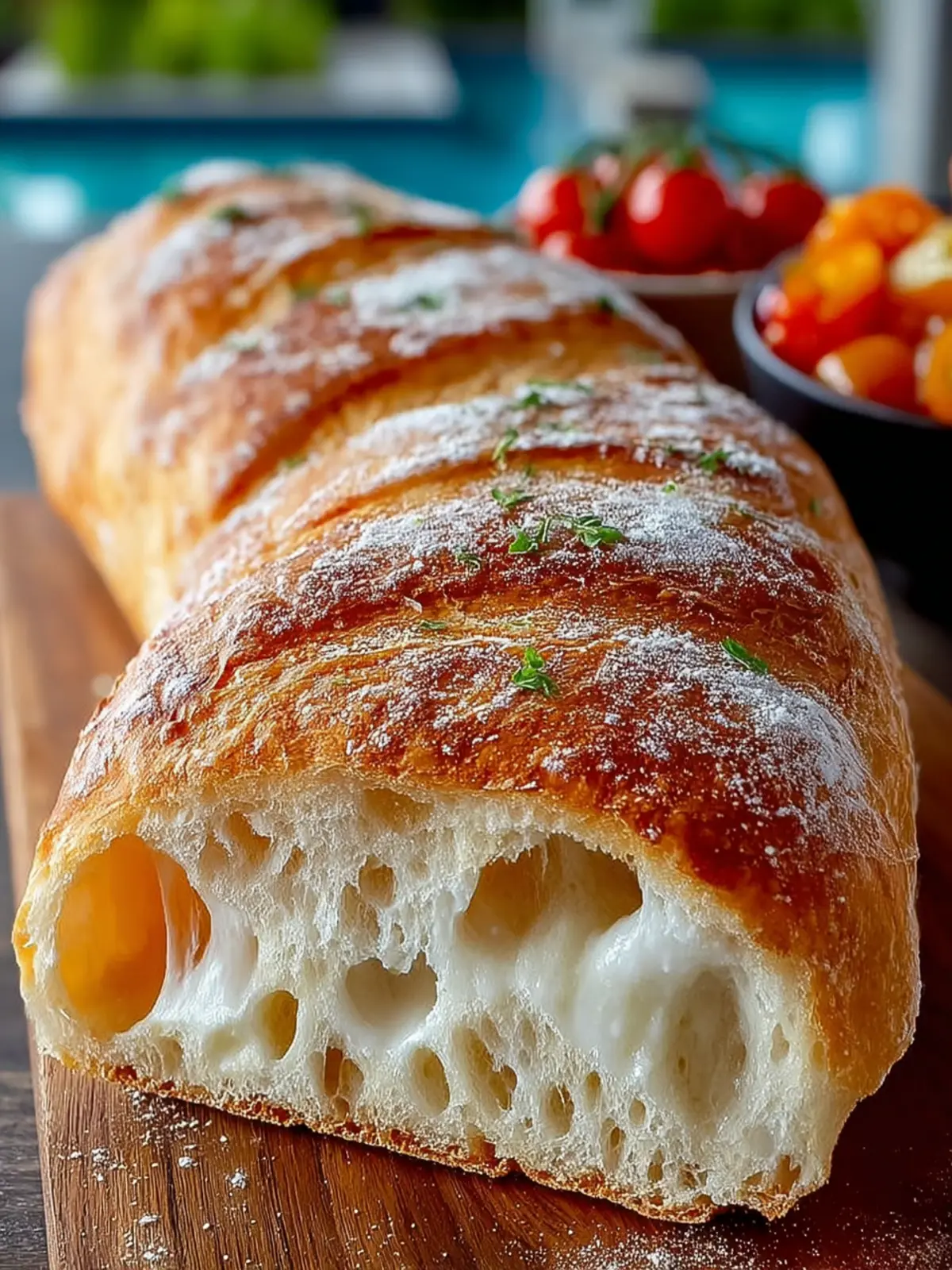
Variations of Ciabatta Bread
Exploring the world of ciabatta bread opens up a delightful range of possibilities that will tantalize your taste buds. This rustic Italian bread, known for its chewy texture and crisp crust, can be customized in numerous ways to suit your preferences and occasions.
Olive Ciabatta
For a Mediterranean twist, consider adding chopped olives to your dough. Whether you lean towards kalamata or green olives, their briny flavor beautifully complements the lightness of the bread, making it perfect for sandwiches or as a side to a savory dish.
Herb-Infused Ciabatta
Elevate your ciabatta by incorporating fresh herbs like rosemary, thyme, or basil. Not only will your kitchen be filled with aromatic scents, but the herbs will also add a fresh punch of flavor that pairs beautifully with olive oil for dipping or simply slathered with butter.
Whole Wheat Ciabatta
If you’re looking for a healthier option, try making whole wheat ciabatta. By substituting some or all of the all-purpose flour with whole wheat flour, you gain extra fiber and a nuttier flavor. This variation is equally enjoyable for your everyday meals or toasted for breakfast.
Sweet Ciabatta
For a unique breakfast treat, how about a sweet ciabatta? Incorporate ingredients like dried fruits, nuts, or even a touch of honey. This variation can become a delightful centerpiece for brunch or an indulgent snack paired with tea or coffee.
Experiment with these variations, and you’ll find that ciabatta bread is not just a staple, but a canvas for your culinary creativity.
Cooking Tips and Notes for Ciabatta Bread
Creating the perfect ciabatta bread is as much about the process as it is about the ingredients. Whether you’re aiming for a crusty exterior and a chewy interior or a more artisan loaf, there are a few tips that can elevate your baking experience.
Flour Quality Matters
Using high-protein bread flour will give your ciabatta that perfect chewy texture. Bread flour typically has a protein content of around 12-14% compared to all-purpose flour, allowing for better gluten development. If you can, invest in a good quality brand that you trust.
Hydration is Key
Don’t be afraid of water! Ciabatta is known for its open crumb structure, which is achieved by using a wet dough. When mixing your dough, aim for a hydration level of 70% or higher. This means using more water than flour, which may seem daunting, but this moisture will make your ciabatta bread light and airy.
Use a Preferment
Incorporating a preferment, like a biga or poolish, can significantly enhance the flavor and texture of your ciabatta. Let it ferment for 12-16 hours overnight to develop complex flavors. Just mix equal parts flour and water with a small amount of yeast, and let the magic happen!
Patience Pays Off
Don’t rush the fermentation process. Ciabatta benefits greatly from long, slow rises. Both the first and second rises should be longer than you might expect—take your time, and your patience will reward you with an incredible loaf.
By following these tips, your ciabatta bread will not only look fantastic but also taste divine. Remember, each loaf is a new opportunity to improve your skills and create something delicious!
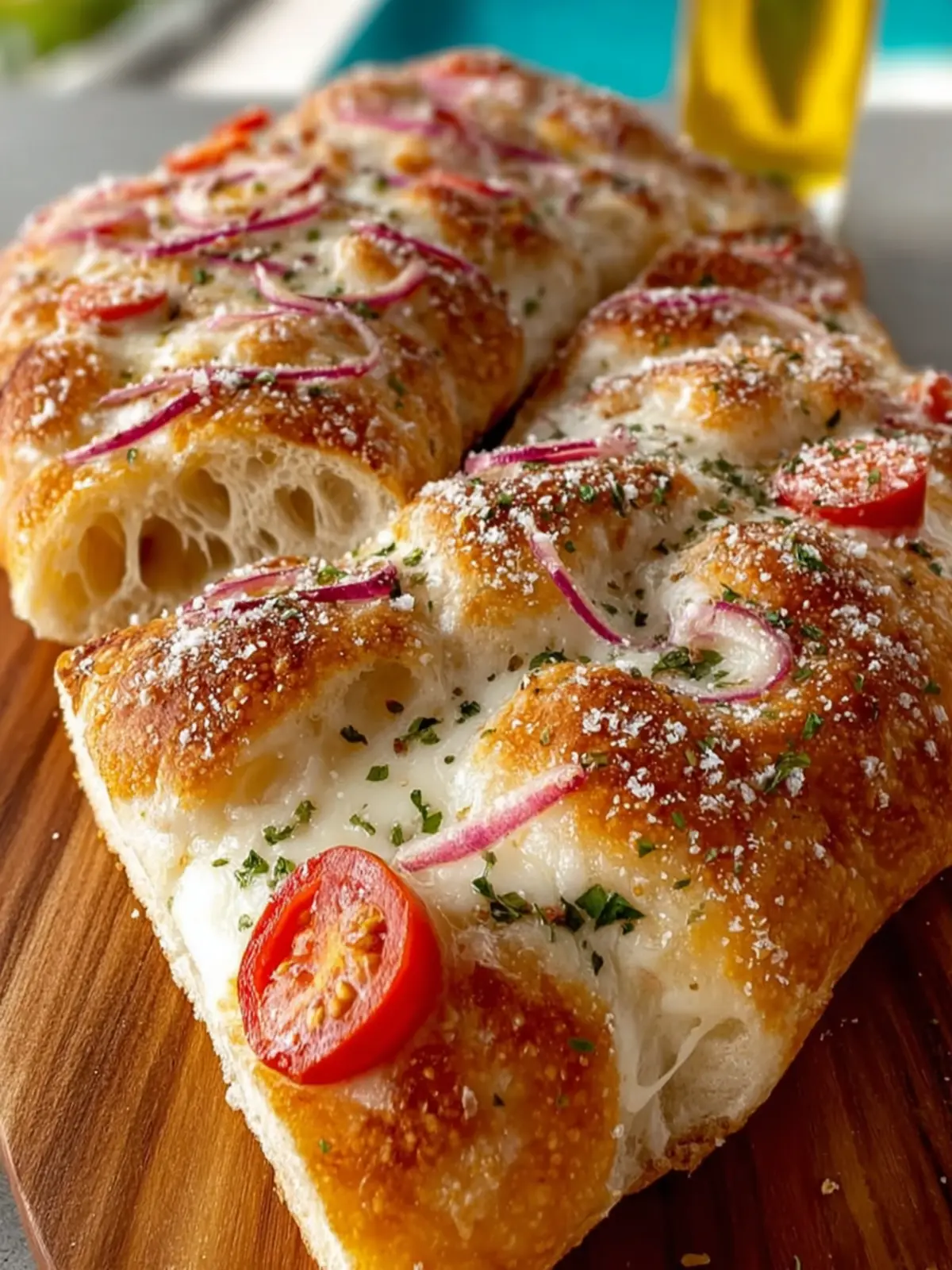
Serving Suggestions for Ciabatta Bread
When it comes to enjoying ciabatta bread, the possibilities are as delightful as the bread itself. This airy, crusty delight pairs beautifully with a variety of toppings and dishes, making each meal an opportunity for creativity.
Delicious Sandwiches
Take your favorite sandwich to the next level by using slices of ciabatta bread. The chewy texture holds up beautifully against hearty fillings like roasted vegetables, fresh mozzarella, and basil pesto, creating a fantastic panini-style experience.
Flavorful Bruschetta
For a light appetizer, toast slices of ciabatta bread and top them with a mixture of diced tomatoes, garlic, and basil. This simple yet flavorful bruschetta makes for an excellent sharing dish at gatherings.
Dipping Delight
Serve warm ciabatta bread with a selection of dips. Olive oil infused with balsamic vinegar, hummus, or even a creamy spinach artichoke dip works wonderfully. Guests will appreciate the warm, crusty bread alongside these flavorful options.
Unique Pizza Base
Get creative by using ciabatta bread as a base for mini pizzas. Simply pile your favorite toppings atop toasted slices for a quick and fun dinner idea. The crispy edges and soft center complement almost any combination.
Embrace the versatility of ciabatta bread, and you’ll find a world of delicious pairings waiting to enhance your meals!
Time Breakdown for Ciabatta Bread
Baking ciabatta bread is a delightful journey that unfolds beautifully over time, transforming simple ingredients into a crusty, chewy masterpiece. Understanding the timing can make all the difference, especially when crafting the perfect loaf.
Preparation Time
Getting started with ciabatta bread requires about 15 minutes for mixing and kneading the dough. This quick prep lays the foundation for that signature texture.
Fermentation Time
Patience is key! Allow your dough to ferment for approximately 12 to 18 hours. This slow rise develops rich flavors and the airy structure characteristic of ciabatta.
Baking Time
Once your dough has fermented, baking it will take about 25 to 30 minutes. The aroma wafting from your oven will be irresistible!
Total Time
In total, you’re looking at around 13 to 19 hours, primarily due to the fermentation. The delicious result is worth every minute spent waiting!
Nutritional Facts for Ciabatta Bread
Exploring the nutritional composition of ciabatta bread can be quite enlightening, especially for those who love baking and health-conscious eating. This rustic Italian bread is not only a delight to the senses but also comes with its own nutritional profile.
Calories
A typical serving of ciabatta bread contains around 240 calories. This makes it a satisfying choice to accompany your meals while keeping the calorie count within a reasonable range.
Carbohydrates
With approximately 50 grams of carbohydrates per serving, ciabatta bread is an excellent source of energy. The carbs primarily come from the flour, offering a quick boost to fuel your day.
Protein
This bread provides about 8 grams of protein. While not a high-protein food, it contributes to your daily intake, especially when paired with protein-rich toppings.
Fat
Ciabatta bread is relatively low in fat, containing around 1 gram per serving. This makes it a heart-healthy option for your meals, perfect for balancing out richer foods or spreads.
FAQs About Ciabatta Bread
Creating the perfect ciabatta bread can be both rewarding and a little daunting, especially if you’re new to baking. To ease your journey, here are some frequently asked questions to guide you through this delicious endeavor.
Can I make ciabatta bread without a baking stone?
Absolutely! While a baking stone helps maintain an even temperature and provides a crusty bottom, you can still achieve great results without one. Simply use a baking sheet upside down or a preheated cast-iron skillet placed in the oven. This method allows ample heat to reach the bread, promoting that characteristic crust we all love.
How can I incorporate herbs into this ciabatta recipe?
Adding herbs to your ciabatta bread is a fantastic way to enhance its flavor. You can mix in fresh or dried herbs like rosemary, thyme, or basil into the dough. Start with about 1-2 tablespoons of finely chopped fresh herbs, or 1 teaspoon of dried herbs. Incorporate them into the dough during the initial mixing phase for a flavorful aromatic loaf.
What’s the best way to store ciabatta bread?
To keep your ciabatta bread fresh, allow it to cool completely after baking. Store it in a paper bag at room temperature for a couple of days to maintain its crust. If you need to keep it longer, slice it and freeze the pieces in a plastic bag. When ready to enjoy, simply toast or reheat it for that freshly-baked taste.
By addressing these common queries, I hope you feel more prepared to embark on your ciabatta-baking adventure. Happy baking!
Conclusion on Ciabatta Bread
As you embark on the journey of making ciabatta bread, you’ll find it’s not just about the ingredients, but rather the experience that brings joy to every loaf you create. The combination of high-quality flour, a long fermentation process, and that gentle shaping culminates in a delightful texture that’s crusty on the outside and airy on the inside.
Remember, the magic lies in the technique as much as it does in the ingredients. Don’t be discouraged if your first attempt isn’t perfect. Each bake is a learning experience closer to mastering this Italian classic that will surely impress family and friends at your table. Enjoy the process and the delicious results!
Print
Homemade Bread
- Total Time: 18 hours
- Yield: 2 loaves 1x
- Diet: Vegetarian
Description
A simple and delicious homemade bread recipe.
Ingredients
Scale
- 250g bread flour
- 250ml lukewarm water
- 1/4 teaspoon instant yeast
- 250g bread flour
- 1/4 teaspoon instant yeast
- 1 teaspoon salt
- 1 tablespoon olive oil
- 180ml lukewarm water
Instructions
- Make a poolish by mixing 250g flour, 250ml water, and 1/4 tsp yeast. Cover and let ferment overnight.
- Add remaining 250g flour, 180ml water, 1/4 tsp yeast, salt, and olive oil to the poolish. Mix well.
- Let dough rest 30 minutes, then do stretch and folds every 30 minutes for 2 hours.
- Shape dough into two loaves on a floured surface. Proof for 45–60 minutes.
- Preheat oven to 450°F with a baking stone or tray inside.
- Transfer loaves to hot tray, create steam in oven, and bake 20–25 minutes until golden and crisp.
Notes
- This bread works great for sandwiches or as a side for soups.
- Adjust the water amount for desired dough consistency.
- Prep Time: 20 minutes
- Cook Time: 25 minutes
- Category: Breads
- Method: Baking
- Cuisine: American
Nutrition
- Serving Size: 1 slice
- Calories: 150
- Sugar: 0g
- Sodium: 200mg
- Fat: 2g
- Saturated Fat: 0g
- Unsaturated Fat: 2g
- Trans Fat: 0g
- Carbohydrates: 30g
- Fiber: 1g
- Protein: 5g
- Cholesterol: 0mg