Follow Me On Social Media!

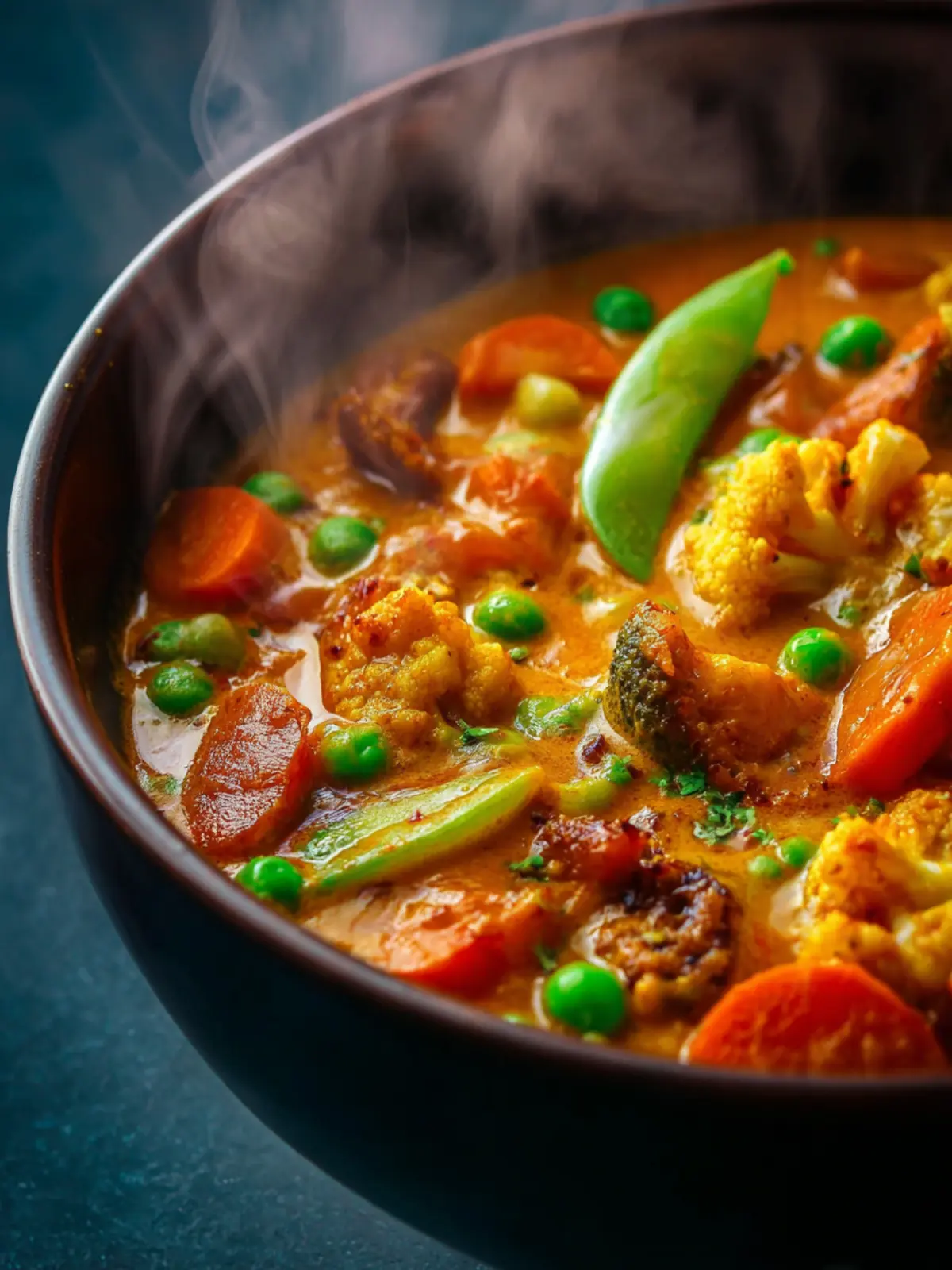
Vegetable Curry Delight: Simple, Hearty, and Flavor-Packed!

Introduction to Vegetable Curry
Vegetable curry stands out as a beacon of culinary creativity that can transform a mundane dinner into an extraordinary dining experience. The allure of this dish lies in its vibrant assortment of vegetables, delectable spices, and the comforting warmth that envelopes you with every bite. Imagine a medley of fresh, colorful veggies simmering in a rich, aromatic sauce—it’s a feast for both the eyes and the palate.
What makes vegetable curry so special? It’s not just a dish; it’s a celebration of flavors and textures that can cater to both the seasoned vegetarian and the occasional veggie lover alike. It’s versatile—you can use whatever vegetables you have on hand, making it both a practical choice for those busy weekday dinners and a delightful experience for weekend entertaining. Whether you fancy mild or spicy, you have complete control over the heat level, adjusting each element to match your taste.
Moreover, preparing vegetable curry can be a wonderfully therapeutic process. The rhythmic chopping of vegetables, the fragrant spices wafting through the air, and the soothing sounds of simmering sauce create a culinary sanctuary you can retreat to after a long day. Plus, it’s a perfect dish for family gatherings or dinner parties, where guests are sure to gather around the table, sharing stories while enjoying a hearty meal.
The beauty of vegetable curry also lies in its adaptability. You can elevate the basic recipe with your favorite ingredients—add some chickpeas for protein, a splash of coconut milk for creaminess, or a hint of lime for brightness. And if you’re meal prepping for the week, this dish holds up beautifully in the fridge, allowing the flavors to deepen over time.
So, gather your fresh ingredients and prepare to embark on a flavorful journey you won’t soon forget. The next time you’re in need of comfort food or a quick, healthy meal, let vegetable curry be your guiding star in the kitchen.
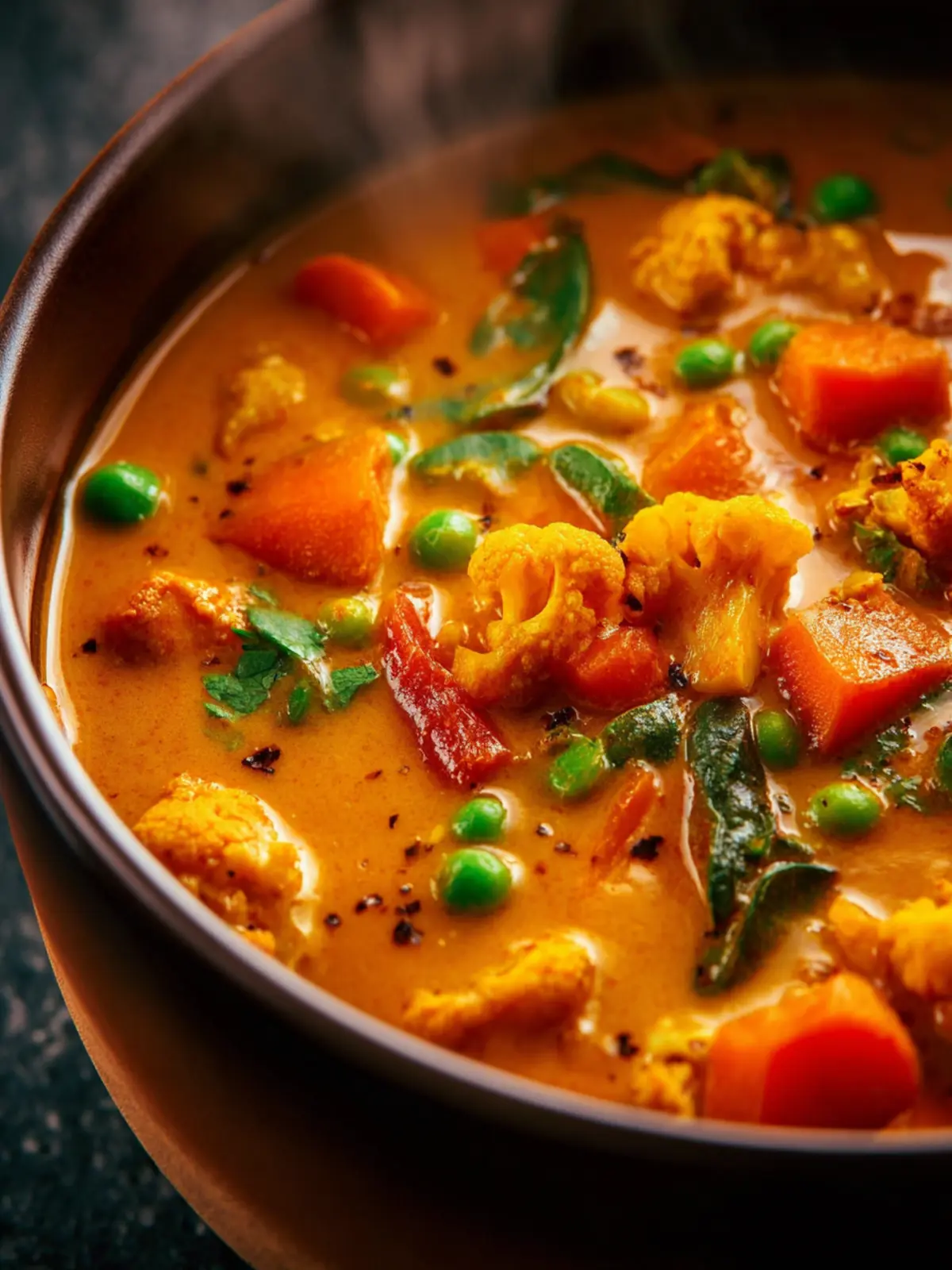
Key Ingredients for Vegetable Curry
Creating a delightful vegetable curry is an art that combines fresh, wholesome ingredients to achieve vibrant flavors. Each component plays a pivotal role in bringing the dish to life, making it a favorite among many home cooks.
Fresh Vegetables
I typically use a medley of colorful vegetables, including bell peppers, carrots, and green beans. Each adds not only a unique texture but also a burst of color and nutrients to the dish. The fresher the veggies, the better the overall taste of your curry.
Aromatics
Onions, garlic, and ginger form the aromatic base of my vegetable curry. Sautéing them until they’re soft releases their essential oils, creating a fragrant foundation that’s simply irresistible.
Spices
A combination of cumin, turmeric, and coriander is essential. These spices each contribute their unique warmth and complexity. Turmeric gives the curry its signature golden hue, while cumin adds an earthy depth.
Coconut Milk
For creaminess, coconut milk is my go-to. It not only enhances the flavor but also balances any heat from the spices, resulting in a smooth, luscious curry.
Tomato
Diced tomatoes add acidity and brightness to the dish, perfectly complementing the sweetness of the coconut milk.
Every ingredient matters in achieving that perfect balance of flavor in your vegetable curry. Dive in and experiment to find your ideal blend!
Why You’ll Love This Vegetable Curry
Nothing warms the heart and satisfies the taste buds quite like a hearty vegetable curry. Picture this: after a long day at work, you step into your kitchen, and the fragrant aroma of spices fills the air, inviting you to take a culinary adventure. This isn’t just any curry; it’s a vibrant blend of colorful vegetables simmered in a creamy, coconut-infused sauce that elevates your mood with every spoonful.
The beauty of a vegetable curry lies in its versatility. Whether you’re a seasoned chef or just starting out, you can easily customize this dish to match your preferences. Throw in your favorite seasonal vegetables or whatever you have on hand—cauliflower, carrots, bell peppers—each addition adds its unique twist. Cooking this curry is an engaging experience, inviting you to stir, taste, and enjoy.
Moreover, the health benefits are plentiful. Packed with fiber, vitamins, and antioxidants, this dish can be a fantastic choice for maintaining a balanced diet, without skimping on flavor. Plus, it’s a perfect option for meal prep! You can make a big batch and enjoy it all week long, making weeknight dinners a breeze. Savory, satisfying, and oh-so-good for you—what’s not to love?
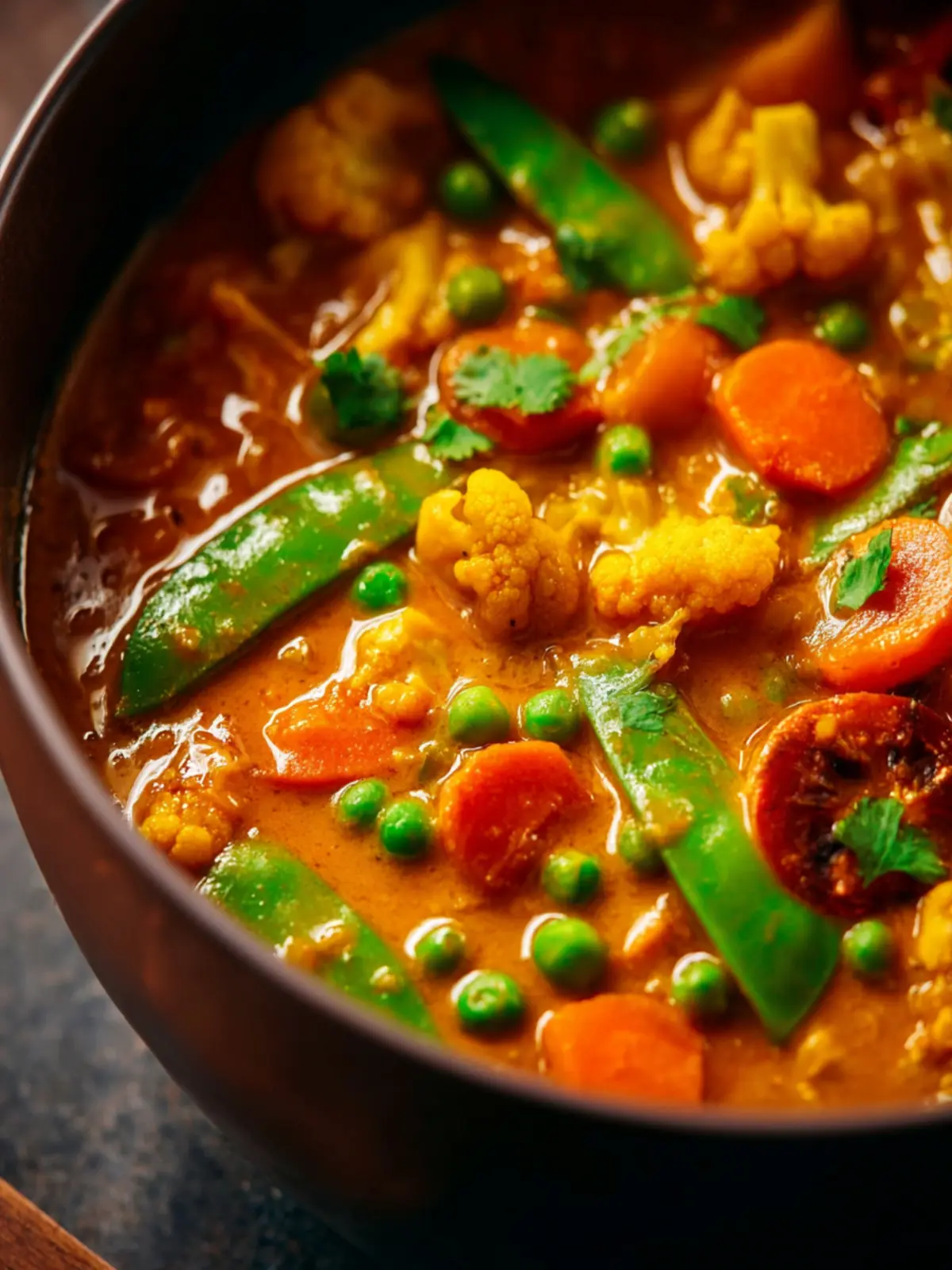
Variations on Vegetable Curry
Creating a comforting vegetable curry allows for endless possibilities that cater to various tastes and dietary preferences. With just a few tweaks, you can elevate your dish into something unique and exciting.
Regional Spices
Different regions bring their own flair to curry. For a South Asian twist, consider incorporating cumin, coriander, and turmeric. Alternatively, a Thai version benefits from lemongrass, Thai basil, and lime leaves, introducing bright and vibrant flavors.
Protein Additions
To make your vegetable curry more filling, you can add protein-rich ingredients. Chickpeas and lentils not only enhance nutrition but also contribute a pleasant texture. For those who enjoy meat, diced chicken or tofu can easily be added for a heartier meal.
Seasonal Veggies
Take advantage of seasonal produce to keep your vegetable curry fresh and exciting. In the summer, try adding zucchini and bell peppers, while autumn calls for butternut squash and sweet potatoes. Each vegetable brings its own character, enriching the overall flavor.
Coconut or Tomato Base
Switching up the base can drastically change your vegetable curry. A creamy coconut milk base offers a rich texture and slight sweetness, perfect for tropical-inspired dishes. In contrast, a tomato-based curry tends to have a tangy and robust profile, ideal for those who enjoy a bolder flavor.
Embrace your creativity as you customize each of these elements, making every bowl of vegetable curry a personal best.
Cooking Tips and Notes for Vegetable Curry
Creating a sensational vegetable curry isn’t just about following the recipe; it’s about infusing your own flair and making the dish your own. When you add a personal touch, you transform a simple meal into a flavorful masterpiece that tells a story.
Spice It Just Right
The magic of any vegetable curry lies in the spices. Start with the basics like cumin, coriander, and turmeric for warmth, and don’t shy away from experimenting with chili powder or garam masala for a spice kick. The aroma that fills your kitchen as these spices bloom in oil is frankly irresistible.
Don’t Skimp on Chunky Veggies
Choosing vegetables is as much about texture as it is about flavor. I recommend using a mix of hearty veggies like potatoes, carrots, and bell peppers alongside softer ones like zucchini and spinach. This combination creates a delightful contrast that keeps things interesting.
Coconut Milk Magic
For that creamy consistency, coconut milk is often a go-to. It balances the heat from the spices beautifully. If you prefer a lighter option, a splash of vegetable broth or almond milk can be a great substitute. Just remember to taste as you go!
Garnish for a Fresh Finish
Finally, don’t underestimate the power of fresh herbs! A sprinkle of cilantro or a squeeze of lime just before serving can elevate your vegetable curry to new heights, adding freshness and brightness that perfectly complements the dish.
With these tips in hand, you’re on your way to creating a vegetable curry that’s uniquely your own, bursting with flavor and love!
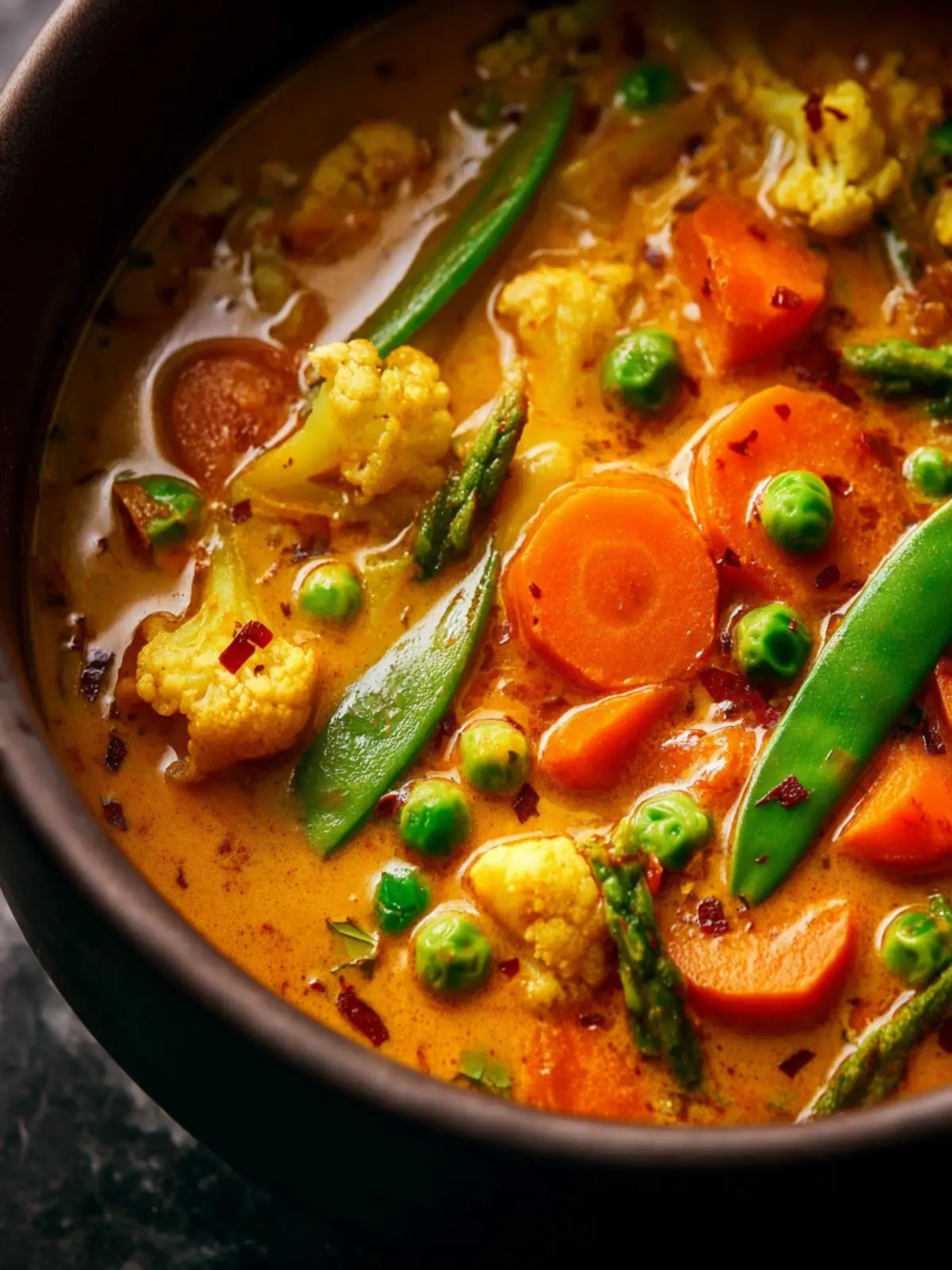
Serving Suggestions for Vegetable Curry
Bringing vegetable curry to the table opens up a world of delightful serving possibilities. It’s not just a dish; it’s an experience that can pair beautifully with various accompaniments.
Flavorful Accompaniments
-
Rice or Quinoa: Serving your vegetable curry over fluffy white rice or nutty quinoa enhances the dish’s flavors and adds a satisfying texture. The grains soak up the curry sauce, making every bite a burst of flavor.
-
Naan or Roti: Freshly baked naan or soft roti is perfect for scooping up your vegetable curry. The warm bread complements the spices beautifully and makes for a comforting meal.
Enhance the Experience
-
Yogurt Topping: A dollop of cooling yogurt or raita balances the heat of the curry. It’s a refreshing contrast that adds creaminess to each mouthful.
-
Fresh Herbs: Garnishing with cilantro or mint adds a pop of color and brightness. Herbs not only elevate the presentation but also enrich the flavor profile.
Keeping these serving suggestions in mind not only makes your meal visually appealing but also elevates the overall dining experience. Enjoy your delicious vegetable curry!
Time Breakdown for Vegetable Curry
Cooking vegetable curry isn’t just about the ingredients; it’s also about timing. The magical fusion of flavors can be perfectly explored by managing your time efficiently.
Preparation Time
Getting everything ready takes about 15–20 minutes. Chop your vegetables, gather spices, and set up your cooking station. A bit of organization goes a long way in making the cooking experience enjoyable.
Cooking Time
The cooking phase runs for about 30–40 minutes. This allows the vegetables to soften and absorb the spices, marrying the flavors beautifully.
Total Time
In total, you’re looking at about an hour from start to finish. This delightful vegetable curry will soon become a staple in your kitchen routine, perfectly balancing flavor and time!
Nutritional Facts for Vegetable Curry
Exploring the vibrant world of vegetable curry not only tantalizes your taste buds but also offers a hearty dose of nutrition. Here’s a quick breakdown of the nutritional content you’d find in a serving of this delightful dish.
Calories
One serving of vegetable curry contains roughly 150-250 calories, depending on the specific ingredients used and any additional oils or grains included. It’s a fantastic choice for a satisfying yet low-calorie meal.
Protein
This wholesome dish provides about 5-10 grams of protein per serving. The protein content varies based on the vegetables and any added legumes, like chickpeas or lentils, which are excellent sources of plant-based protein.
Sodium
A typical serving of vegetable curry contains around 300-600 milligrams of sodium. This varies significantly with the addition of salt or pre-packaged sauces. Opting for fresh ingredients can help you keep sodium levels in check while enjoying robust flavors.
FAQs about Vegetable Curry
When you dive into the world of vegetable curry, you’ll discover a delightful tapestry of flavors and textures waiting to be explored. Whether you’re a seasoned chef or a kitchen novice, understanding the ins and outs of this beloved dish can elevate your culinary experience. Here are some frequently asked questions to help you craft the perfect bowl.
Can I make Vegetable Curry vegan?
Absolutely! Making your vegetable curry vegan is as simple as swapping in plant-based ingredients. Use coconut milk for creaminess, vegetable broth instead of any meat stock, and avoid dairy products altogether. The addition of hearty veggies and legumes will keep it satisfying and nutritious.
What other vegetables can I add?
The beauty of vegetable curry lies in its versatility. You can mix and match various vegetables based on what’s in season or what you have on hand. Some great options include:
- Carrots
- Bell peppers
- Sweet potatoes
- Green beans
- Cauliflower
- Spinach
Feel free to experiment! The more colors on your plate, the more nutrients you’re likely to consume.
How can I adjust the spice level?
Adjusting the spice level in your vegetable curry can be done quite easily. If you prefer a milder taste, limit the amount of chili powder or fresh chilies. For those who enjoy a bit of heat, consider adding more spice along with a dash of cayenne or chili flakes. Always taste as you go to ensure it’s just the right level for your palate.
Through these answers, you can navigate the world of vegetable curry with confidence, making it unique to your taste and dietary preferences!
Conclusion on Vegetable Curry
In wrapping up our delightful journey through the art of preparing vegetable curry, it’s clear that this dish is more than just a recipe—it’s an experience that fills your home with warmth and tantalizing aromas. The beauty of vegetable curry lies in its versatility; you can mix and match ingredients based on what’s fresh or what you have on hand. Each spoonful is an invitation to savor the rich flavors and colorful ingredients, making it a perfect choice for busy weeknights or leisurely weekends. So, grab your favorite vegetables, and let this vegetable curry story unfold in your kitchen!
Print
Coconut Curry with Sweet Potatoes and Cauliflower
- Total Time: 45 minutes
- Yield: 4 servings 1x
- Diet: Vegetarian
Description
A hearty and flavorful coconut curry featuring sweet potatoes, cauliflower, and a blend of spices.
Ingredients
Scale
- 1/4 cup coconut oil
- 1–1/2 cups finely diced yellow onion (1 large onion)
- 1–1/2 tablespoons finely minced ginger (1-inch piece)
- 1 tablespoon finely minced garlic (3 cloves)
- 3/4 teaspoon ground turmeric
- 1 teaspoon ground cumin
- 1 teaspoon garam masala
- 1 tablespoon yellow curry powder
- 1–1/2 teaspoons paprika
- 1–1/2 teaspoons ground coriander
- 2 tablespoons red curry paste
- Salt and pepper to taste
- 4–1/2 cups chopped sweet potatoes (3 medium-to-large potatoes)
- 3–1/2 cups chopped cauliflower (1 small head or 1/2 large head)
- 2 (13 oz) cans coconut milk (lite is ok; curry will be a lot less creamy)
- 1 (14 oz) can fire-roasted crushed tomatoes
- 1 cup vegetable stock
- 3/4 cup frozen peas
- 1/3 cup finely chopped cilantro
- Fresh lime juice (optional)
- Cooked basmati rice (optional)
- Naan (optional)
Instructions
- Dice onion, mince garlic, and mince ginger. Peel and dice sweet potatoes. Set aside.
- Add coconut oil to a large, cast-iron pot and heat on medium high. Once oil is melted, add onion, ginger, and garlic. Sauté until tender and very fragrant, about 7–9 minutes. Reduce heat to low if anything burns or gets too brown. While everything is sautéing, add spices to the pot: ground turmeric, cumin, garam masala, yellow curry powder, paprika, ground coriander, and red curry paste. Season to taste; I add 1 and 1/4 teaspoons salt and 1/4 teaspoon pepper. Cook and stir until fragrant over medium-low heat, 1–3 minutes.
- Add cubed sweet potatoes and stir to coat in spices. Cook over low heat, stirring occasionally. Coarsely chop cauliflower—it doesn’t need to be in individual florets, just a quick coarse chop. Add cauliflower and stir to coat. Add coconut milk, crushed tomatoes, and vegetable stock. Stir and bring to a boil, then reduce heat to low and simmer, covered, 18–25 minutes or until veggies are tender. Remove lid and stir occasionally, every 7 or so minutes. (Check tenderness by piercing with a fork; sweet potatoes are ready if they pierce easily). While curry is simmering, I like to cook up some basmati rice.
- Stir in frozen peas and diced cilantro. If desired, add some fresh lime juice or serve lime wedges with individual plates. Serve over cooked basmati rice with naan bread and enjoy immediately.
Notes
- Note 1: Adjust the amount of red curry paste based on desired spice level.
- Note 2: Basmati rice enhances the dish but can be omitted for a lower-carb option.
- Prep Time: 15 minutes
- Cook Time: 30 minutes
- Category: Dinner
- Method: Stovetop
- Cuisine: Indian
Nutrition
- Serving Size: 1 bowl
- Calories: 350
- Sugar: 6g
- Sodium: 500mg
- Fat: 20g
- Saturated Fat: 14g
- Unsaturated Fat: 4g
- Trans Fat: 0g
- Carbohydrates: 40g
- Fiber: 8g
- Protein: 6g
- Cholesterol: 0mg