Follow Me On Social Media!


Hibachi Vegetables: Easy Sizzled Goodness for Home Chefs

Introduction to Hibachi Vegetables
The delightful world of hibachi cooking introduces a burst of flavor and color, especially when it comes to hibachi vegetables. Imagine the sizzling sound as fresh, vibrant vegetables hit a hot grill, filling the air with a mouthwatering aroma that beckons you to the table. Often enjoyed in teppanyaki restaurants, hibachi vegetables are not just a side dish; they embody the spirit of communal dining, where each bite reflects joy, friendship, and cultural richness.
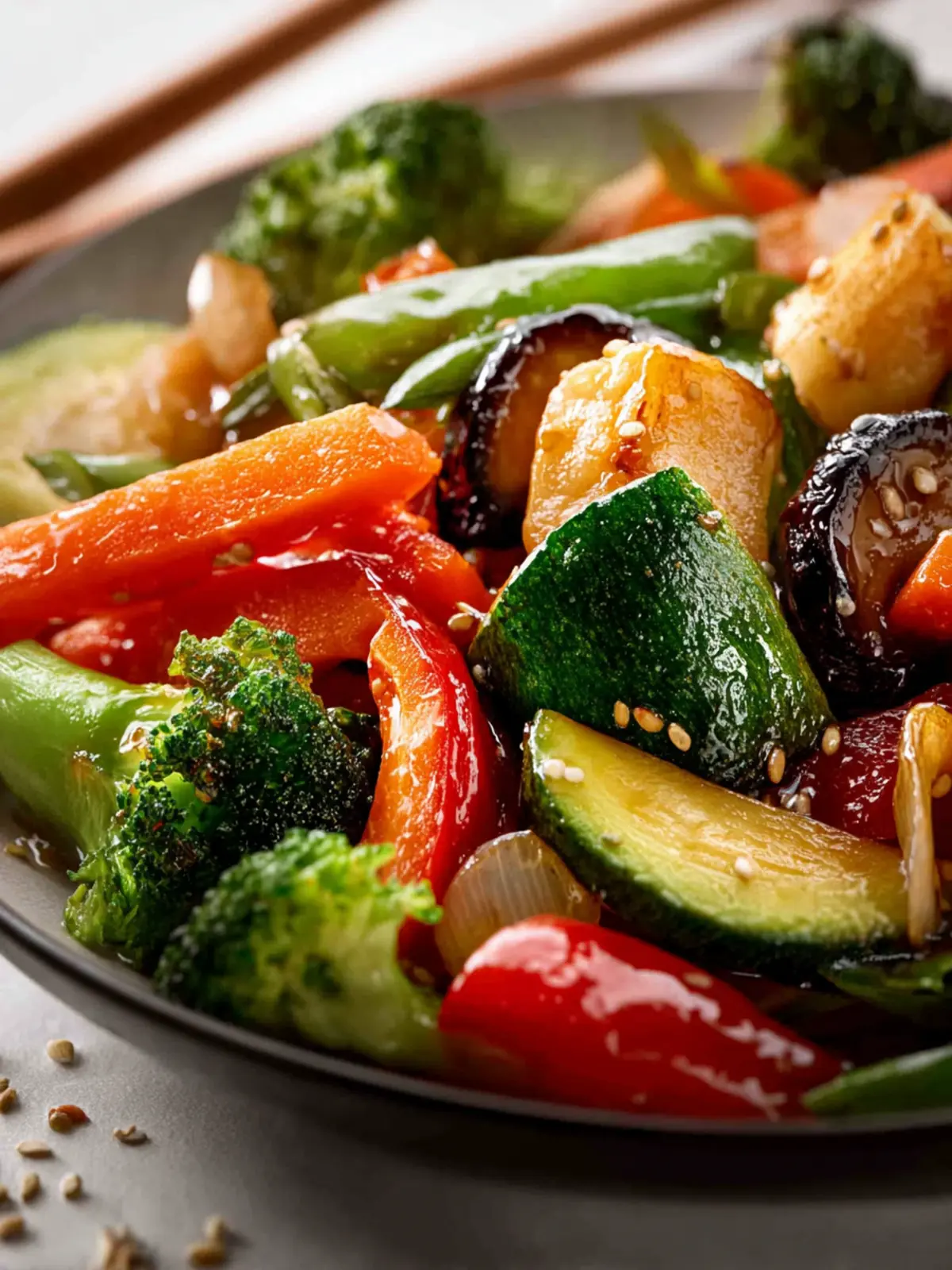
What makes hibachi vegetables so special? Well, it’s not merely the technique but the fresh, high-quality produce that transforms a simple meal into an enticing feast. The magic of hibachi lies in its preparation and presentation. Utilizing a variety of seasonal vegetables, typically including zucchini, bell peppers, broccoli, and mushrooms, allows for a combination of textures and flavors that create a lively dish. The quick cooking method, often over an open flame, preserves the natural crunch and nutrients of the vegetables, ensuring that every bite is not only delicious but also health-conscious.
Most hibachi dishes are accompanied by a sprinkle of sesame oil and soy sauce, which add depth to the flavors. Plus, these cooking techniques often involve expert knife skills, which can turn the preparation into a performance, much to the delight of diners. Sharing this experience can turn any meal into a special occasion, urging you to savor not just the food but the moment itself.
If you’ve ever enjoyed the vibrant taste of hibachi vegetables at your favorite restaurant, you’ll be thrilled to know that replicating this delectable dish at home is straightforward. With simple ingredients and a little bit of practice, you can bring the hibachi experience right into your kitchen. It’s about more than just cooking; it’s about bringing your loved ones together for a nourishing and memorable meal. So gear up to impress your guests—or treat yourself—with your very own delicious hibachi vegetables!
Key Ingredients for Hibachi Vegetables
Bringing the essence of hibachi vegetables to your dinner table is just about choosing the right ingredients. Each component plays a vital role in delivering that authentic, smoky flavor and vibrant colors that make hibachi dishes so appealing.
-
Fresh Vegetables: Opt for a colorful mix of bell peppers, zucchini, and onions. Fresh vegetables not only provide a variety of textures but also contribute to the dish’s delicious presentation.
-
Soy Sauce: This is your go-to for that umami flavor. A splash of soy sauce adds a rich, savory depth that perfectly complements the sweet and tender veggies.
-
Sesame Oil: Using sesame oil enhances the dish’s aroma and gives it a nutty flavor, making every bite a delightful experience.
-
Garlic: This ingredient is more than just an aromatic; it infuses the vegetables with a robust flavor. A quick sauté in the beginning will unleash its full potential.
-
Ginger: Grated ginger adds a zesty kick that brightens the flavors. It’s that secret ingredient that leaves people guessing!
-
Green Onions: For garnish, green onions not only add a pop of color but also a fresh crunch that balances the dish.
By selecting these ingredients thoughtfully, you’ll turn your hibachi vegetables into a tantalizing and satisfying meal!
Why You’ll Love This Recipe
When you try this delightful hibachi vegetables recipe, you’ll quickly understand why it’s a go-to for busy weeknights. Picture yourself coming home after a long day, craving a healthy meal that’s bursting with flavor. This recipe not only satisfies that craving but also brings the lively experience of Japanese hibachi right to your kitchen.
Fresh and Colorful Ingredients
The vibrant mix of bell peppers, zucchini, and carrots doesn’t just look appealing; it offers a wholesome way to incorporate more veggies into your diet. Did you know that increasing your vegetable intake can lower your risk of chronic diseases? This recipe not only helps you meet that goal but does so with deliciousness at the forefront.
Quick and Easy Preparation
What’s more, the preparation is incredibly swift. You can whip this up in under 30 minutes, making it perfect for those hectic weekday dinners. Imagine sautéing your veggies right in a hot skillet, getting them perfectly caramelized for a delightful texture and taste. It’s the ideal meal for anyone craving something nutritious yet indulgent.
Versatile Pairing Options
Finally, these hibachi vegetables are incredibly versatile. Whether you’re enjoying them with grilled chicken, steak, or as a standalone dish, their flavor profile complements myriad proteins and grains. You’ll find yourself making this recipe time and again, not just for its taste but for the satisfying way it makes you feel.
Variations of Hibachi Vegetables
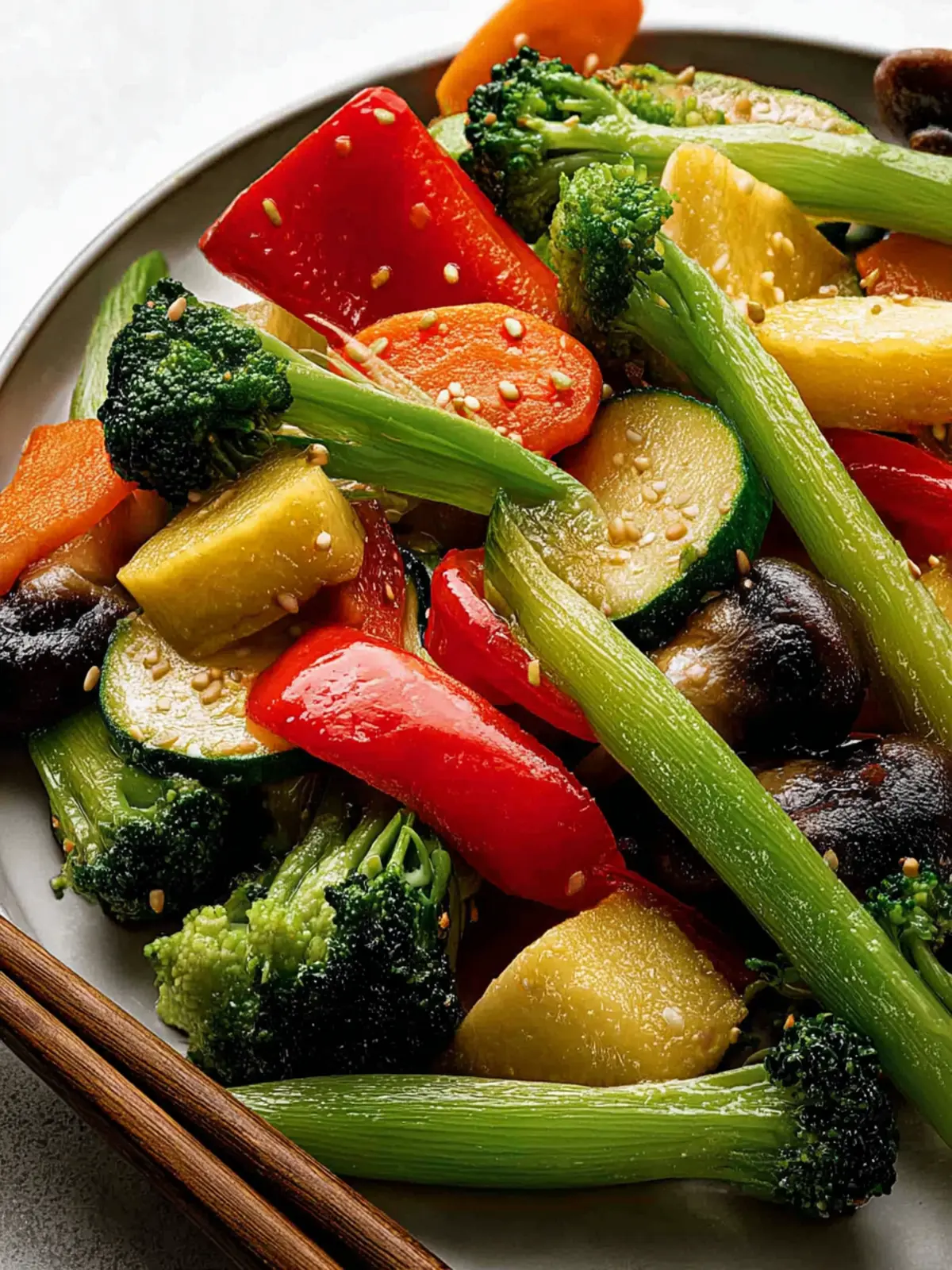
Exploring the world of hibachi vegetables can turn a simple dish into a colorful and flavorful culinary journey. By adding your flair and personal touch, you can transform the standard fare into something unique that reflects your tastes and preferences.
Creative veggie additions
Feel free to experiment with various vegetables to enhance your hibachi vegetables dish. Here are a few creative suggestions:
- Broccoli: Add some crunch and nutrition.
- Mushrooms: Bring umami flavor; shiitake or button varieties are fantastic.
- Snow Peas: Their sweetness adds a delightful contrast.
- Zucchini: Grilled slices not only look beautiful, but they also soak up the flavors.
- Asparagus: For a touch of elegance and a seasonal nod.
Spice level adjustments
The beauty of hibachi vegetables lies in their versatility, and adjusting the spice level makes them all the more enjoyable. Here’s how you can customize the heat:
- Mild: Stick to the traditional soy sauce and sesame oil for a classic flavor that pleases everyone.
- Medium: Add a sprinkle of red pepper flakes or drizzle some sriracha for a touch of warmth.
- Spicy: Incorporate chili paste or finely diced jalapeños for a fiery kick that spice lovers will adore.
With these variations, you can tailor your hibachi veggies to ensure every bite is full of excitement and satisfaction.
Cooking Tips and Notes for Hibachi Vegetables
Keeping Veggies Crisp
When it comes to preparing hibachi vegetables, achieving that delightful crunch is key. Start by selecting fresh, high-quality veggies. Broccoli, bell peppers, and zucchini work beautifully—opt for ones that are vibrant and firm. To keep them crisp, consider cutting them into uniform sizes, which allows for even cooking. Be sure to preheat your skillet or griddle before adding the vegetables; this helps to sear them quickly, retaining their texture. Finally, avoid overcrowding the pan, as that leads to steaming rather than sautéing. If you have to cook in batches, it’s worth the wait!
Skillet vs. Griddle
Choosing between a skillet or a griddle for your hibachi vegetables can significantly influence the outcome of your dish. A griddle offers more surface area, making it ideal for cooking larger portions while maintaining even heat distribution. This method helps to achieve that iconic charred flavor often associated with hibachi dishes. On the other hand, a skillet can concentrate the heat in a smaller area, making it excellent for quick cooking. The best choice depends on the number of servings and the equipment at your disposal. Either way, you’ll end up with deliciously sautéed veggies that can steal the show!
Serving Suggestions for Hibachi Vegetables
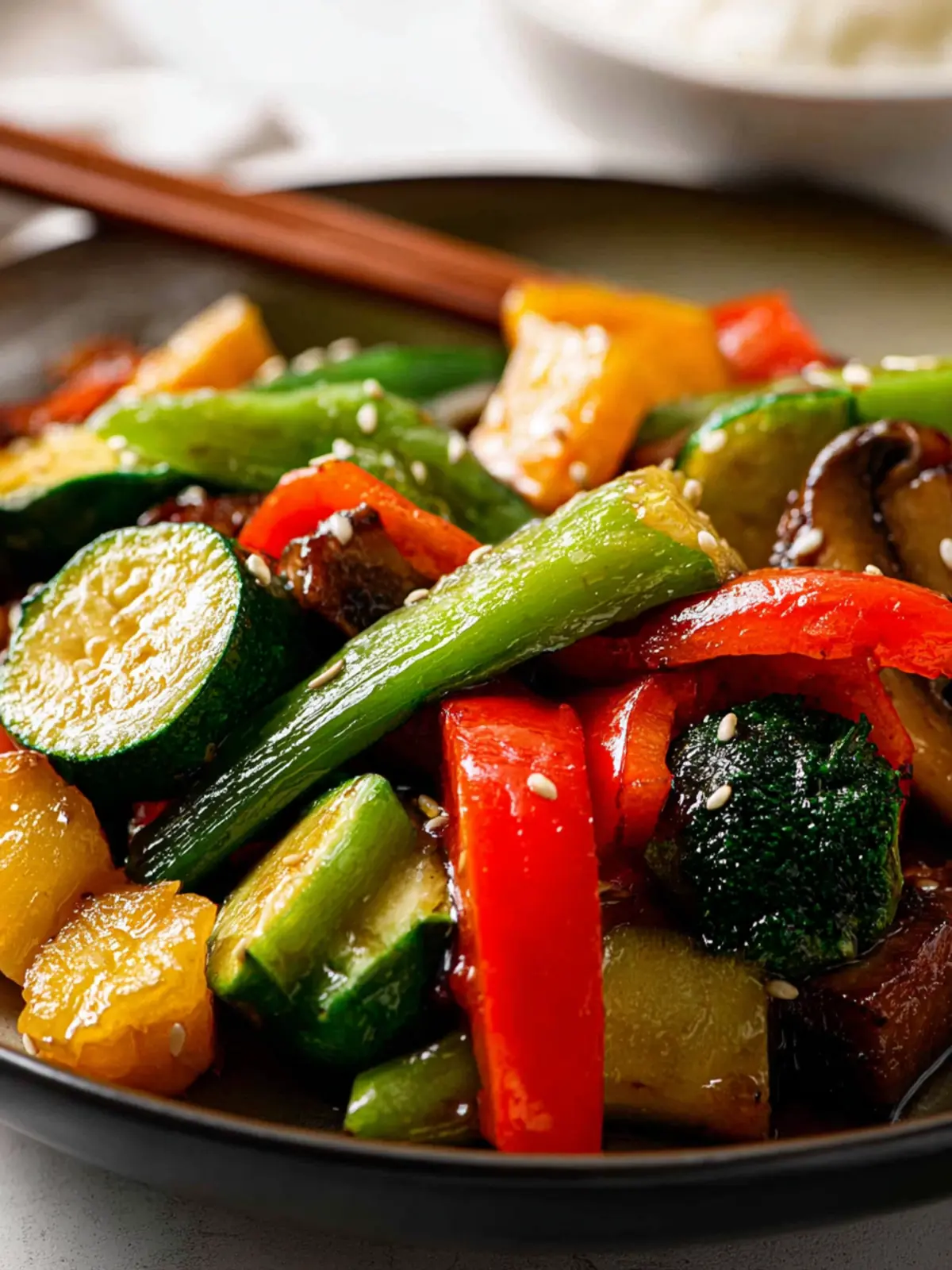
Hibachi vegetables, with their vibrant colors and smoky flavors, are the perfect way to elevate any meal. These stir-fried delights can transform a simple dinner into a culinary experience that takes your taste buds on a journey. Whether you’re enjoying a casual weeknight dinner or hosting a gathering, knowing how to serve these flavorful vegetables can truly make a difference.
Pairing with Proteins
To create a well-rounded dish, consider pairing your hibachi vegetables with proteins that complement their bright flavors.
- Grilled Chicken: The smoky char of grilled chicken marries beautifully with the sweetness of your vegetables.
- Shrimp: Sautéed shrimp enhances the dish with a touch of elegance, making it perfect for special occasions.
- Tofu: For a plant-based option, crispy tofu absorbs the flavors of the stir-fry, creating a satisfying meal.
Ideal Side Dishes
To complete your hibachi experience, choosing the right side dishes can elevate your meal.
- Steamed Rice: Classic white or brown rice serves as a wonderful base, soaking up the flavors of the vegetables.
- Miso Soup: This traditional Japanese soup adds warmth and depth, creating a comforting contrast to the crispness of the vegetables.
- Cucumber Salad: A refreshing cucumber salad provides a cool crunch, balancing the meal beautifully.
By thoughtfully pairing your hibachi vegetables with proteins and side dishes, you can enjoy a delightful culinary adventure at home.
Time Breakdown for Hibachi Vegetables
Creating delicious hibachi vegetables doesn’t have to consume your entire evening. Understanding the time involved can make all the difference in your preparation.
Preparation time
Expect to spend about 10 minutes slicing and dicing your vegetables. This quick prep allows you to focus on achieving that wonderful hibachi flavor.
Cooking time
The cooking phase takes roughly 15 minutes. Sautéing over high heat is key, ensuring your veggies maintain that delightful crunch while absorbing a smoky flavor.
Total time
In total, you’re looking at around 25 minutes from start to finish. This makes it perfect for a weeknight dinner when you want something tasty but not time-consuming. Enjoy the process and savor every bite of those perfectly cooked hibachi vegetables.
Nutritional Facts for Hibachi Vegetables
Calories
Hibachi vegetables are not just delicious; they’re also light on the calorie count! A serving usually contains around 100–150 calories, making them an excellent choice for those looking to enjoy a flavorful dish without the guilt.
Vitamins and Minerals
Packed with nutrients, these vibrant veggies typically include bell peppers, zucchini, and carrots. This blend provides:
- Vitamin C: Essential for a healthy immune system.
- Vitamin A: Great for vision and skin health.
- Potassium: Important for heart health and muscle function.
Incorporating hibachi vegetables into your meals ensures that you’re not only satisfying your taste buds but also nourishing your body effectively.
FAQs about Hibachi Vegetables
When you think about hibachi vegetables, it’s hard not to imagine teppanyaki chefs skillfully flipping vibrant veggies in the air while creating a beautiful stir-fried masterpiece. It’s an experience that’s not just about flavor—it’s about the festivities surrounding your dining experience! Below are some commonly asked questions that will help you make the most of your hibachi vegetable adventure.
Can I add more vegetables?
Absolutely! The beauty of hibachi vegetables lies in their versatility. Feel free to mix in your favorite vegetables, such as broccoli, asparagus, or even mushrooms. You can also incorporate seasonal vegetables to keep it fresh and exciting throughout the year. Just make sure to keep the cooking time in mind; denser veggies like carrots might need a longer sauté compared to softer choices like zucchini.
How do I store leftovers?
If you find yourself with leftover hibachi vegetables, no need to worry! Let them cool down before transferring them to an airtight container. They will stay fresh in the fridge for about 3-4 days. When you’re ready to enjoy them again, simply reheat them in a skillet or microwave. To maintain their delicious texture, avoid overcooking during reheating.
What sauces pair well with hibachi vegetables?
The right sauce can elevate your hibachi vegetables to new heights. A classic choice is soy sauce or teriyaki sauce, which complement the savory flavors beautifully. If you’re feeling adventurous, try dipping your veggies in a spicy mayo or crafting your own garlic butter sauce for added richness. Don’t hesitate to experiment; the combination possibilities are endless!
Conclusion on Hibachi Vegetables
In wrapping up this delightful exploration of hibachi vegetables, it’s clear that these vibrant veggies not only enhance your meals but also infuse them with that authentic Japanese flair. The beauty of this dish lies in its simplicity; a medley of fresh vegetables stir-fried to perfection allows the natural flavors to shine.
Here’s a quick recap:
- Versatility: You can easily mix and match your favorite vegetables, making it adaptable to your taste preferences.
- Health Benefits: Packed with nutrients, hibachi vegetables are a wholesome addition to any meal.
- Cooking Technique: The quick sautéing method helps retain their crunch and color, making them appealing to the eye as well as the palate.
Dive into the joy of grilling up your own hibachi vegetables and experience the flavors of Japan in the comfort of your kitchen!
Print
Vegetable Stir-Fry
- Total Time: 25 minutes
- Yield: Serves 4
- Diet: Vegetarian
Description
A delicious and healthy vegetable stir-fry with a variety of colorful veggies.
Ingredients
Scale
- 2 Tablespoons Avocado Oil
- 1 Large Zucchini (cut into approximately 2 inch spears)
- 2 cups Broccoli Florets (sliced into flatter pieces)
- 1 Green Bell Pepper (cut into 1 inch pieces)
- 1 Red Bell Pepper (cut into 1 inch pieces)
- ½ teaspoon Pepper
- ½ teaspoon Salt
- 3 cloves Garlic (minced (or 1 Tablespoon pre-minced garlic))
- 2 Tablespoons Soy Sauce
- 2 Tablespoons Butter
Instructions
- Preheat a large skillet, griddle or cast iron pan over medium high heat.
- Add the oil to the pan.
- Add the veggies to the pan. Season them with salt and pepper and cook until they start to soften (3-4 minutes).
- Add the minced garlic to the pan and sauté with the other vegetables over medium high until they are tender (8-10 minutes).
- Toss in the butter and soy sauce. Sauté for a few minutes until the butter is melted and all veggies are coated.
- Remove from the pan and serve while warm. Enjoy!
Notes
- Feel free to add other vegetables of your choice.
- This dish pairs well with rice or quinoa.
- Prep Time: 10 minutes
- Cook Time: 15 minutes
- Category: Main Dish
- Method: Stir-Frying
- Cuisine: Asian
Nutrition
- Serving Size: 1 cup
- Calories: 150
- Sugar: 3g
- Sodium: 300mg
- Fat: 10g
- Saturated Fat: 2g
- Unsaturated Fat: 7g
- Trans Fat: 0g
- Carbohydrates: 15g
- Fiber: 4g
- Protein: 3g
- Cholesterol: 10mg