Follow Me On Social Media!

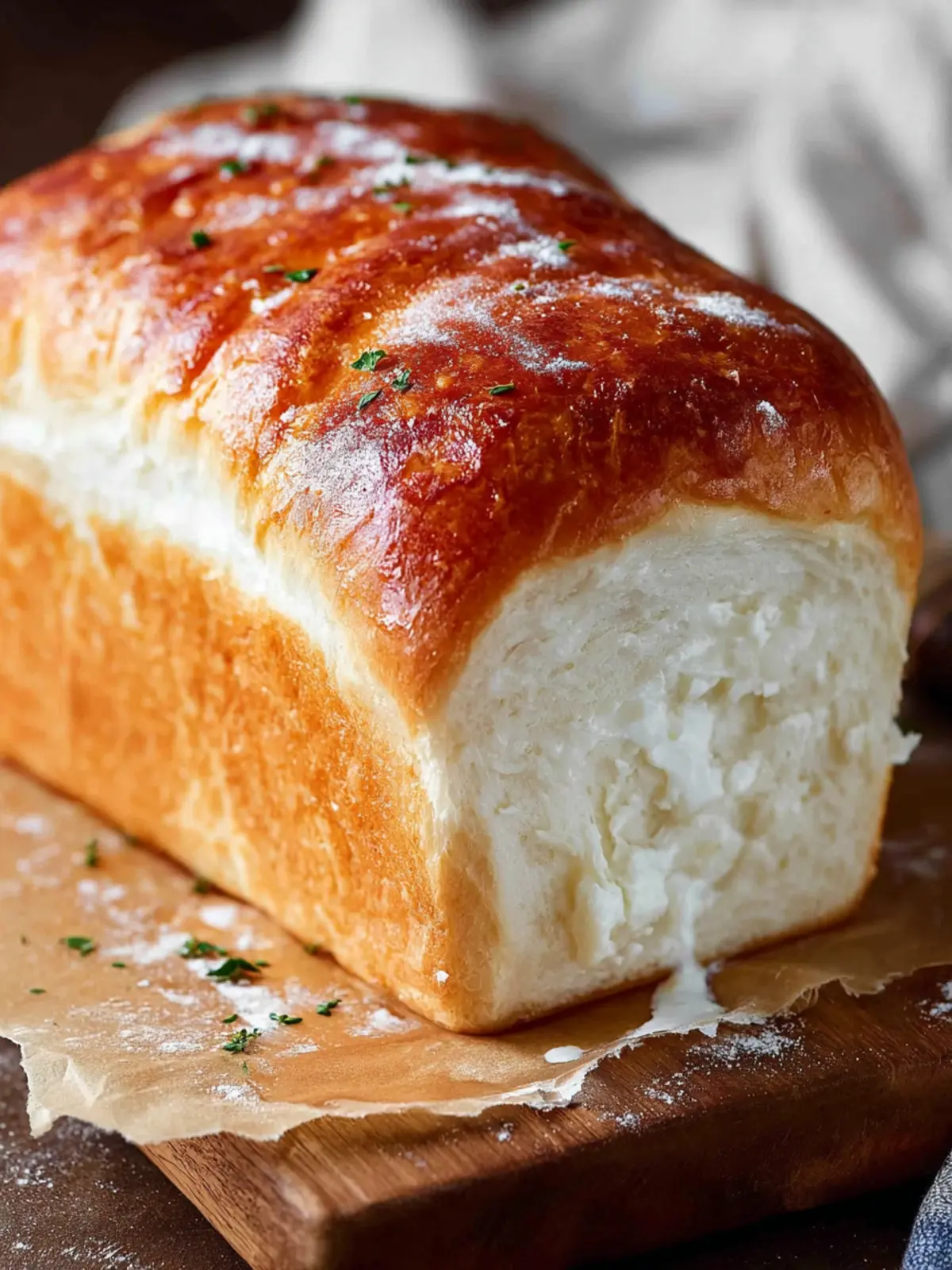
Amish White Bread Recipe: Soft, Buttery Perfection Awaits

Introduction to Amish White Bread Recipe
Imagine walking into a cozy kitchen, the faint smell of freshly baked bread wafting through the air, instantly warming your heart and evoking a sense of home. This is what the Amish White Bread Recipe brings to the table—an authentic connection to generations past, where bread-making was an art form. The tradition of crafting homemade bread has long been integral to Amish culture, and there’s something undeniably special about their recipes.
But what sets Amish white bread apart from your everyday loaf? It’s not just the process; it’s the simplicity that makes it truly remarkable. Made with pantry staples, this bread features a soft texture and a subtle sweetness that’s perfect for sandwiches or simply enjoyed with a pat of butter. Baking this bread invites a sense of calm and mindfulness, allowing you to engage with each step of the process.
The recipe often belongs to mothers, grandmothers, or family friends, passed down like cherished heirlooms. Picture yourself kneading the dough, feeling it transform under your hands, a meditative experience that connects us back to simpler times. Furthermore, the satisfaction of slicing into a golden-brown loaf that you’ve baked yourself is unmatched—a rewarding reminder of the joy that accompanies home cooking.
As we dive deeper into the Amish White Bread Recipe, you’ll discover that it’s not just about the ingredients; it’s about the love and intention that goes into making each loaf. From the first rise to the final bake, you’ll see how easy it is to create something truly special. So roll up your sleeves and let’s embark on this delightful baking journey together!
What Makes Amish White Bread So Special?
The Amish White Bread Recipe stands out for several reasons:
- Quality Ingredients: With minimal and high-quality ingredients, you get a wholesome loaf.
- Traditional Techniques: The methods used in Amish kitchens provide a distinct texture and flavor.
- Versatile Use: Perfect for breakfast, lunch, or dinner, it’s the agile companion for countless meals.
- Cultural Heritage: Each loaf you make tells a story, connecting you to a rich cultural tradition that has stood the test of time.
As you prepare to make this beloved bread, you’ll not only enjoy the taste but also share in a legacy that enriches both the palate and the spirit.
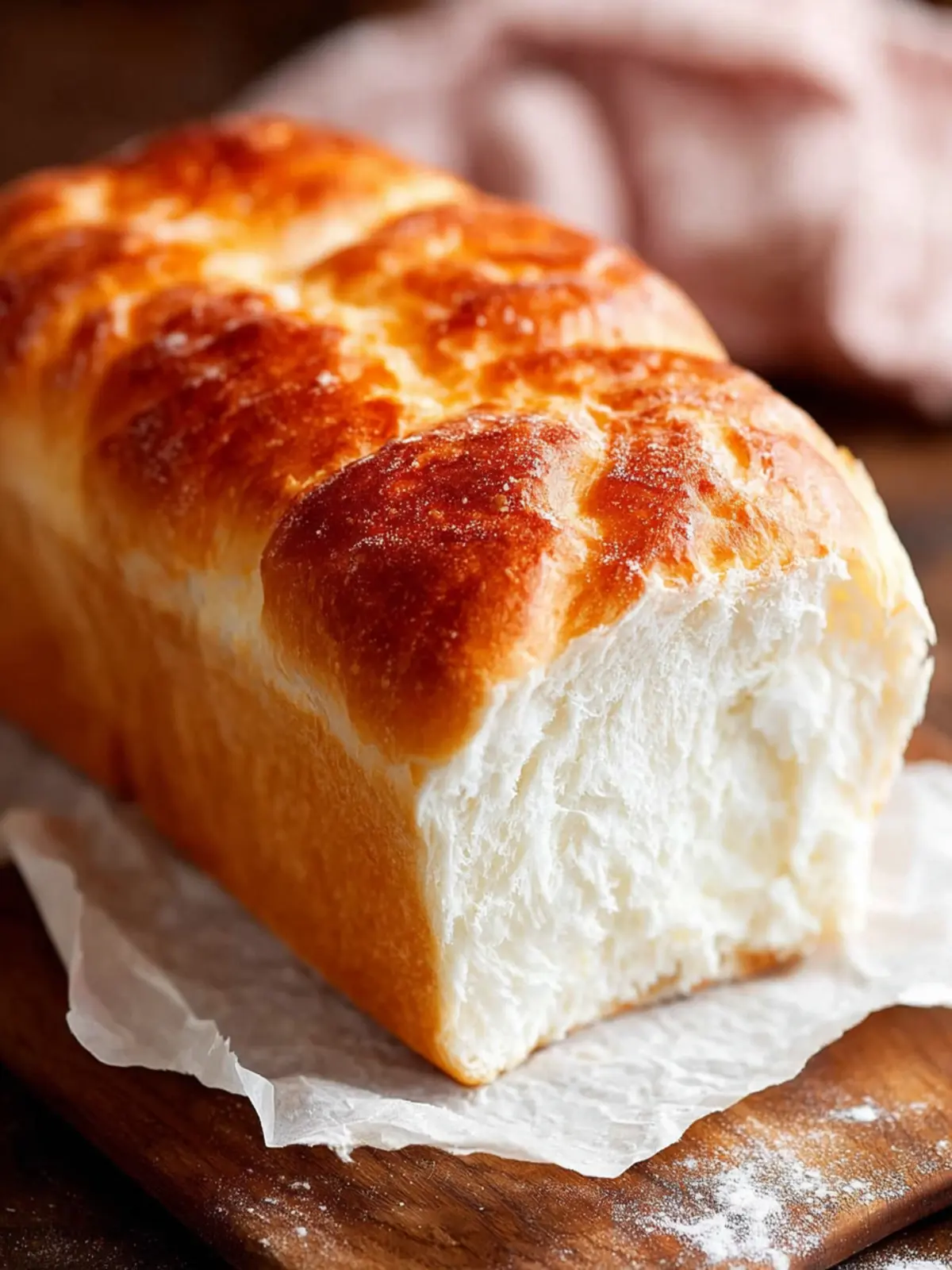
Key Ingredients for Amish White Bread
Crafting the perfect Amish White Bread is a delightful journey that connects you to tradition and flavor. Each ingredient plays a unique role, contributing to the warm, soft loaf that makes this recipe so cherished.
Flour: The backbone of our bread is all-purpose flour. Its balance of strength and softness creates a light and airy texture. If you’re looking for a healthier option, feel free to swap in whole wheat flour, but keep in mind that the texture will be denser.
Sugar: A touch of granulated sugar gives the bread a hint of sweetness, enhancing the yeast’s ability to rise beautifully. It’s this little addition that helps create that golden-brown crust.
Salt: Essential for flavor, salt also strengthens the dough and controls yeast activity. Just the right amount is key to ensuring your bread doesn’t become overly salty.
Yeast: Active dry yeast is the rising star of this recipe. It ferments the sugars, producing carbon dioxide that causes the dough to rise. Always check the expiration date to ensure your bread rises properly!
Water: Warm water (around 110°F) activates the yeast. It’s crucial for hydrating the flour and bringing everything together. Make sure it’s not too hot, as that can kill the yeast.
These thoughtfully chosen ingredients truly embody the heartwarming essence of the Amish White Bread Recipe, inviting you to savor every slice with joy and nostalgia.
Why You’ll Love This Recipe
Imagine walking into your kitchen and being greeted by the delightful aroma of freshly baked bread wafting through the air. This is where the Amish White Bread Recipe truly shines. It’s more than just a recipe; it’s an invitation to gather around the table, connect with loved ones, and enjoy a slice of comfort food that speaks to the heart.
Simple Yet Satisfying
One of the best things about this recipe is its simplicity. With a handful of ingredients—flour, yeast, and a touch of sugar—you can create a golden-crusted loaf that’s perfect for sandwiches, toast, or just slathering with butter. It’s wonderfully satisfying to watch the dough rise and transform in the oven, allowing you to reconnect with the fundamentals of baking.
Health Benefits
The Amish White Bread Recipe also allows you to control what goes into your bread. Making it at home means you can skip the preservatives and additives commonly found in store-bought options. It’s a wholesome choice for anyone looking to live a healthier lifestyle without sacrificing taste.
A Family Tradition
This recipe isn’t just about bread; it’s a chance to create lasting memories. Baking with family or friends can enhance relationships and encourage new traditions. What better way to bond than over warm bread fresh out of the oven?
In a world where convenience often rules, this simple Amish loaf reminds us of the joy found in crafting something from scratch. So roll up your sleeves and let’s make some bread!
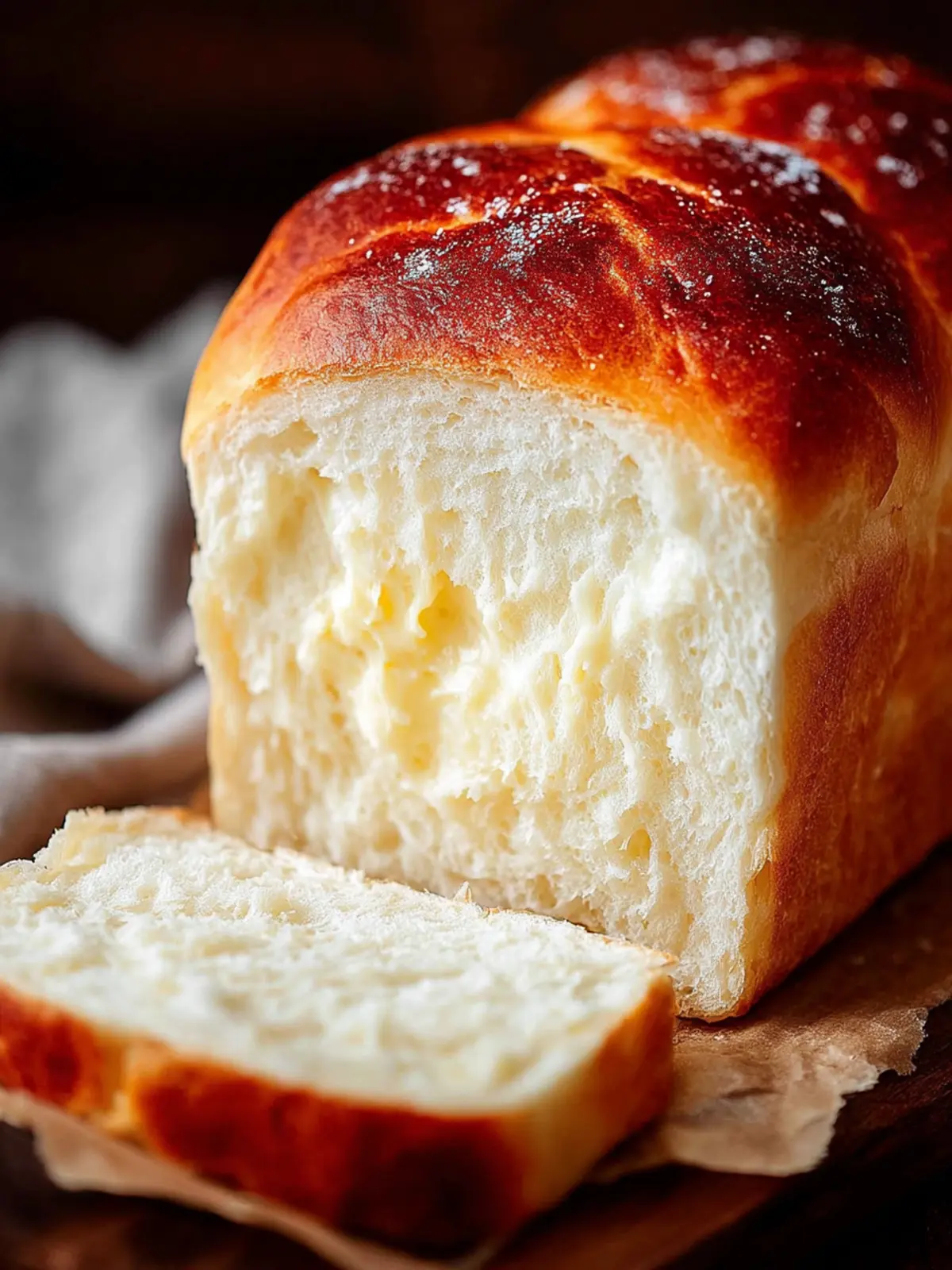
Variations on Amish White Bread
The classic Amish White Bread Recipe opens the door to an array of delightful variations that can cater to your taste preferences and dietary needs. Each twist tells its own story, adding a unique flair to the comforting loaf that many have come to cherish.
Whole Wheat Twist
Consider integrating whole wheat flour into your Amish White Bread Recipe for a heartier texture and nutty flavor. A blend of half white and half whole wheat flour delivers a deliciously wholesome bread that retains the airy softness.
Herb-Infused Delight
For a savory twist, fold in fresh herbs like rosemary, thyme, or oregano. Just a tablespoon of finely chopped herbs mixed into the dough will offer a fragrant aroma and a flavor profile that pairs wonderfully with sandwiches.
Sweeten It Up
If you have a sweet tooth, try adding a touch of honey, maple syrup, or molasses to the dough. This not only imparts a beautiful golden hue to the crust but also enhances the bread’s moisture content, making it even more delectable.
Cinnamon Raisin Variation
Transform your loaf into a breakfast treat by tossing in cinnamon and raisins or dried cranberries. A sprinkle of cinnamon sugar on top prior to baking adds a sweet crunch that perfectly complements the soft interior.
Each variation marries beautifully with the original Amish White Bread Recipe, making it a versatile staple in your kitchen. So, which twist will you try first?
Cooking Tips and Notes
Creating your own Amish White Bread can be an incredibly rewarding experience. As you knead the dough and witness it rise, you’ll feel a connection to generations past. Here are some friendly tips to ensure your loaf turns out beautifully.
Perfecting the Dough
- Kneading: Don’t skip kneading; it’s crucial for developing gluten, which gives your bread structure. Aim for 8–10 minutes of kneading until the dough is smooth and elastic.
- Rising Time: The first rise is key. Let the dough rise until it doubles in size; this typically takes 1–2 hours, depending on the temperature in your kitchen. A warm spot will speed things up!
Measuring Ingredients
- Flour: Spoon the flour into your measuring cup rather than scooping it directly to avoid compacting. This accuracy leads to a lighter bread.
- Yeast: Always check your yeast’s expiration date to ensure it’s active; a simple test with warm water and sugar can confirm its potency.
Baking Tips
- Oven Temperature: Preheat your oven properly. An accurate temperature is essential for a good crust.
- Cooling Time: Allow the bread to cool completely on a wire rack before slicing. This helps set the structure and enhances flavor.
Feel free to experiment a little! Each bake can teach you something new about your Amish White Bread Recipe. Happy baking!
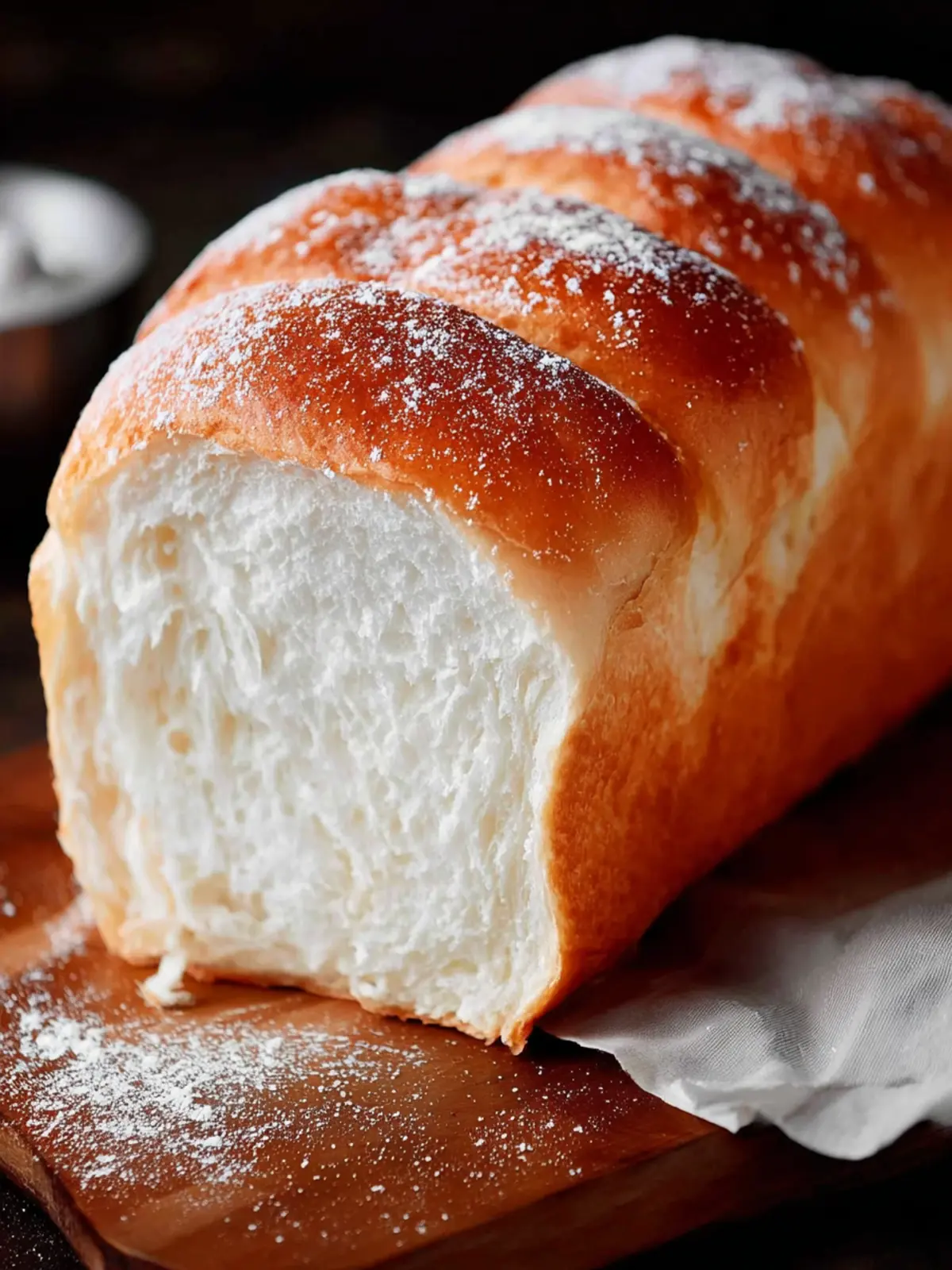
Serving Suggestions for Amish White Bread
There’s something truly comforting about an Amish White Bread Recipe. The rich, fluffy texture makes it ideal for a variety of serving options that can elevate any meal.
Perfect for Breakfast
Start your day with a slice of this delightful bread toasted to perfection. Spread some butter and a layer of your favorite jam on top, and enjoy a warm, indulgent breakfast. If you’re feeling adventurous, consider adding a drizzle of honey or a sprinkle of cinnamon for extra flavor.
Savory Combo
For lunch, make a classic sandwich. The soft yet sturdy texture of this bread holds ingredients well, so pile on your deli meats, cheeses, and fresh veggies. Pair it with a hearty soup for an ultimate comfort meal.
Gourmet Toast
Dinner parties become even more special with Amish White Bread served as garlic bread. Simply slice it up, slather with a mixture of butter, minced garlic, and herbs, then toast it until golden brown. It’s a crowd-pleaser every time!
Dessert Delight
For a creative twist, try using this versatile bread to make bread pudding or a sweet bread bowl filled with chocolate mousse. The options are endless!
Time Breakdown for Amish White Bread Recipe
Understanding the timing involved in the Amish White Bread recipe can make your baking experience smoother and more enjoyable. Here’s a quick overview to help you plan:
Preparation time
Getting started takes about 15 minutes. This includes measuring your ingredients and mixing them together to form a dough.
Rising time
Once the dough is prepared, it requires about 1 hour to rise. This step is crucial for developing that soft, airy texture we love in homemade bread.
Baking time
The baking part typically takes about 30-35 minutes. You want the bread to have a golden-brown crust and a hollow sound when tapped.
Total time
From start to finish, you’re looking at approximately 2 hours for the Amish White Bread recipe. This includes preparation, rising, and baking time, but trust me, the delicious aroma will make every minute worth it!
Nutritional Facts for Amish White Bread
When diving into the delightful world of Amish White Bread Recipe, understanding its nutritional profile can help you enjoy this comforting loaf guilt-free. Each slice brings a balance of flavors and nutrients that can complement a variety of meals.
Calories
A typical slice of Amish White Bread contains around 80-100 calories, making it an excellent option for breakfast, lunch, or a cozy sandwich.
Carbohydrates
Packed with approximately 15-20 grams of carbohydrates per slice, this bread provides a quick source of energy essential for your busy day.
Protein
With about 2-3 grams of protein in each slice, Amish White Bread helps contribute to your daily protein intake, particularly when enjoyed with hearty toppings like peanut butter or hummus.
Fat
On the healthier side, the fat content is relatively low, around 1-2 grams per slice. This makes it a versatile base for both savory and sweet toppings without overwhelming your diet.
FAQs about Amish White Bread
When it comes to baking bread, the Amish White Bread Recipe stands out for its simplicity and deliciousness. If you’re new to making bread at home or simply curious about all things related to this cherished recipe, you’re in the right place. Below are some frequently asked questions that can help enhance your baking experience.
Can I use whole wheat flour instead?
Absolutely! While traditional Amish white bread uses all-purpose flour for its tender texture, you can substitute up to 50% of the all-purpose flour with whole wheat flour. This will give your bread a nutty flavor and a heartier texture. Just keep in mind that using too much whole wheat flour might result in denser bread, so adjust your liquids accordingly.
How should I store homemade bread?
To keep your homemade bread fresh, store it in a cool, dry place wrapped in a cloth or in a bread box. If you prefer to keep it longer, slice it and store it in an airtight container or a resealable plastic bag. The bread can stay fresh for about three to four days at room temperature.
Why is my bread not rising?
A common culprit for bread not rising is inactive yeast. Always check the expiration date on your yeast and make sure it’s fresh. Additionally, ensure your water is warm (not hot) to activate the yeast properly. Temperature can greatly affect the yeast’s ability to work, so a drafty kitchen may also cause issues.
Can I freeze my Amish White Bread?
Yes, freezing is an excellent way to extend the life of your bread! Wrap your cooled loaf tightly in plastic wrap or aluminum foil and place it in a freezer bag to prevent freezer burn. It can remain frozen for up to three months. When you’re ready to enjoy it again, simply thaw it at room temperature.
What can I do with leftover bread?
Leftover Amish White Bread is perfect for a range of delicious recipes! You can make French toast, bread pudding, or even croutons. Alternatively, simply toast slices and top them with your favorite spread for a quick snack. Don’t let that bread go to waste—get creative!
Conclusion on Amish White Bread Recipe
Baking the Amish White Bread has truly been a delightful experience. The rich aroma and warm, soft texture of freshly baked bread can transform any kitchen into a cozy haven. This recipe is not just about following steps; it’s about creating memories—whether you’re sharing slices with loved ones or enjoying a quiet moment with a warm piece slathered in butter.
If you follow this simple yet effective recipe, you’ll find that making your own bread at home isn’t only rewarding but also surprisingly easy. With a bit of practice, you’ll be sharing your very own delicious Amish White Bread in no time. Happy baking!
Print
Homemade Bread
- Total Time: 1 hour 40 minutes
- Yield: 1 loaf 1x
Description
This homemade bread is soft and delicious, perfect for sandwiches or to enjoy with dinner.
Ingredients
Scale
- 1 cup warm water, 110-120°F
- ⅓ cup granulated sugar
- 1 packet (2 ¼ teaspoons) instant yeast
- 3 cups all-purpose flour
- ¾ teaspoon salt
- 2 tablespoons vegetable or canola oil
- 2 tablespoons unsalted butter, melted
Instructions
- In a small bowl, stir together the warm water, sugar, and instant yeast. Let the mixture sit for 10 minutes, until bubbles form to ensure the yeast is active.
- In the bowl of a stand mixer fitted with the dough hook, combine the flour, salt, and oil. Pour in the yeast mixture. Turn the mixer to medium speed and knead until the dough is smooth and no longer sticks to the sides of the bowl, about 10 minutes.
- Shape the dough into a tight ball and place it in a greased bowl. Cover loosely with plastic wrap and let it rise in a warm, dark, draft-free place for 60 to 90 minutes, until the dough doubles in size.
- Deflate the risen dough and shape it into a log that fits into a 9×5 inch loaf pan. Cover it loosely with plastic wrap and let it rise again in the same warm, dark place for 50 to 60 minutes, until it doubles in size.
- About 20 minutes before the second rise is complete, preheat the oven to 350°F.
- Bake the loaf for 25 to 30 minutes, or until it turns golden brown on top and sounds hollow when tapped.
- Remove the bread from the oven and brush the crust with melted butter for extra softness and flavor. Let the loaf cool for 10 minutes in the pan, then remove it from the pan and transfer it to a cooling rack to cool completely before slicing.
Notes
- Ensure the water is warm for the yeast to activate properly.
- You can substitute canola oil with any vegetable oil you prefer.
- The rising time may vary depending on the temperature of your kitchen.
- Prep Time: 10 minutes
- Cook Time: 30 minutes
- Category: Baking
- Method: Baking
- Cuisine: American
Nutrition
- Serving Size: 1 slice
- Calories: 120
- Sugar: 3g
- Sodium: 150mg
- Fat: 5g
- Saturated Fat: 1g
- Unsaturated Fat: 2g
- Trans Fat: 0g
- Carbohydrates: 18g
- Fiber: 1g
- Protein: 3g
- Cholesterol: 5mg